
Practical guides for restoring digitized film.
Workflows for preserving detail while correcting instability, dust, grain, color, damaged splices, sound drift, and delivery formats.
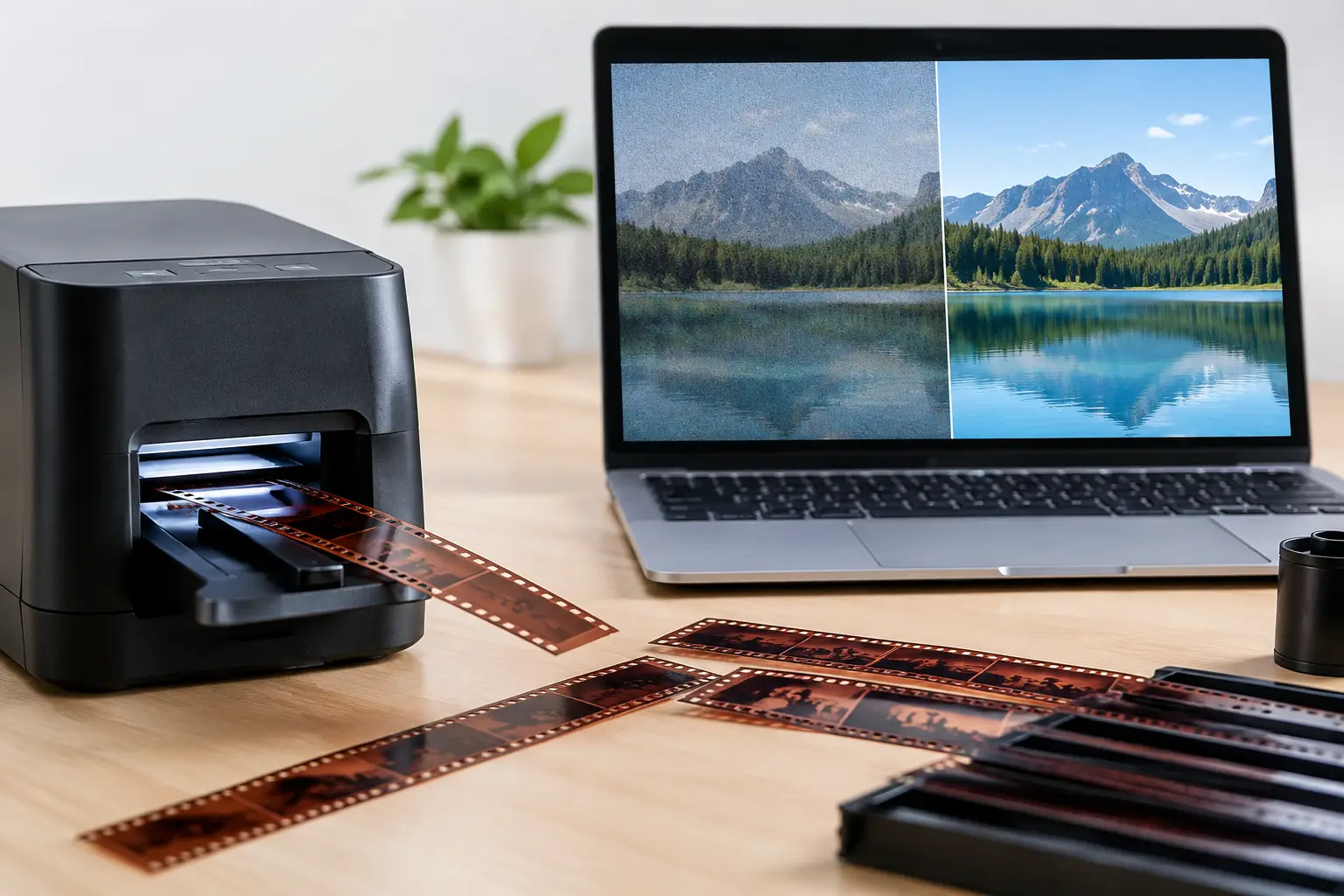
How to Remove Film Scanner Noise Without Softness
Learn how to remove film scanner noise from 8mm, Super 8, 9.5mm, and 16mm scans while retaining grain, detail, and original film character for masters.
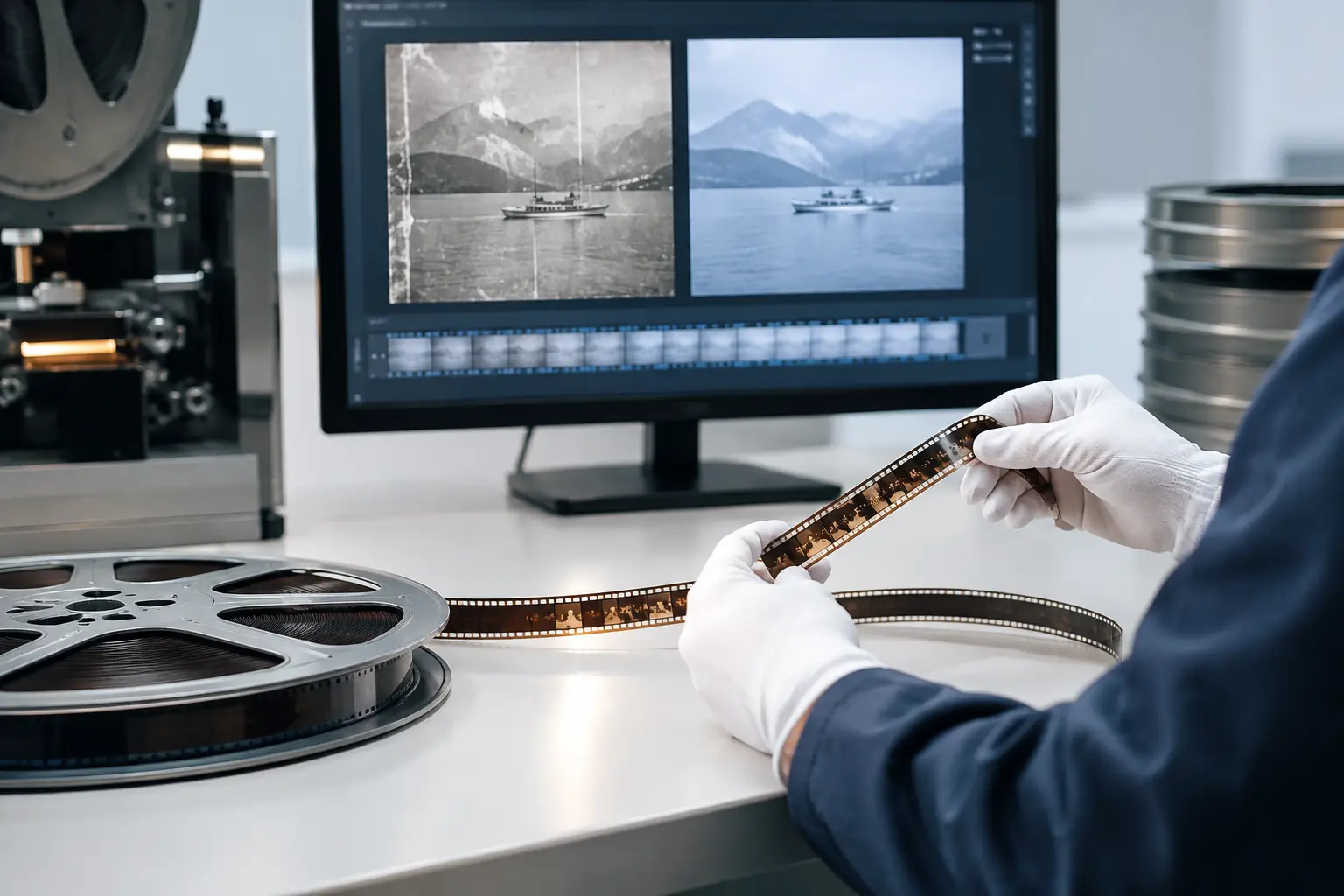
Restoration Automation for Archival Film Scans
Restoration automation turns repetitive film-scan repair into a controlled pipeline for dust, grain, flicker, stability, color, and dependable exports.
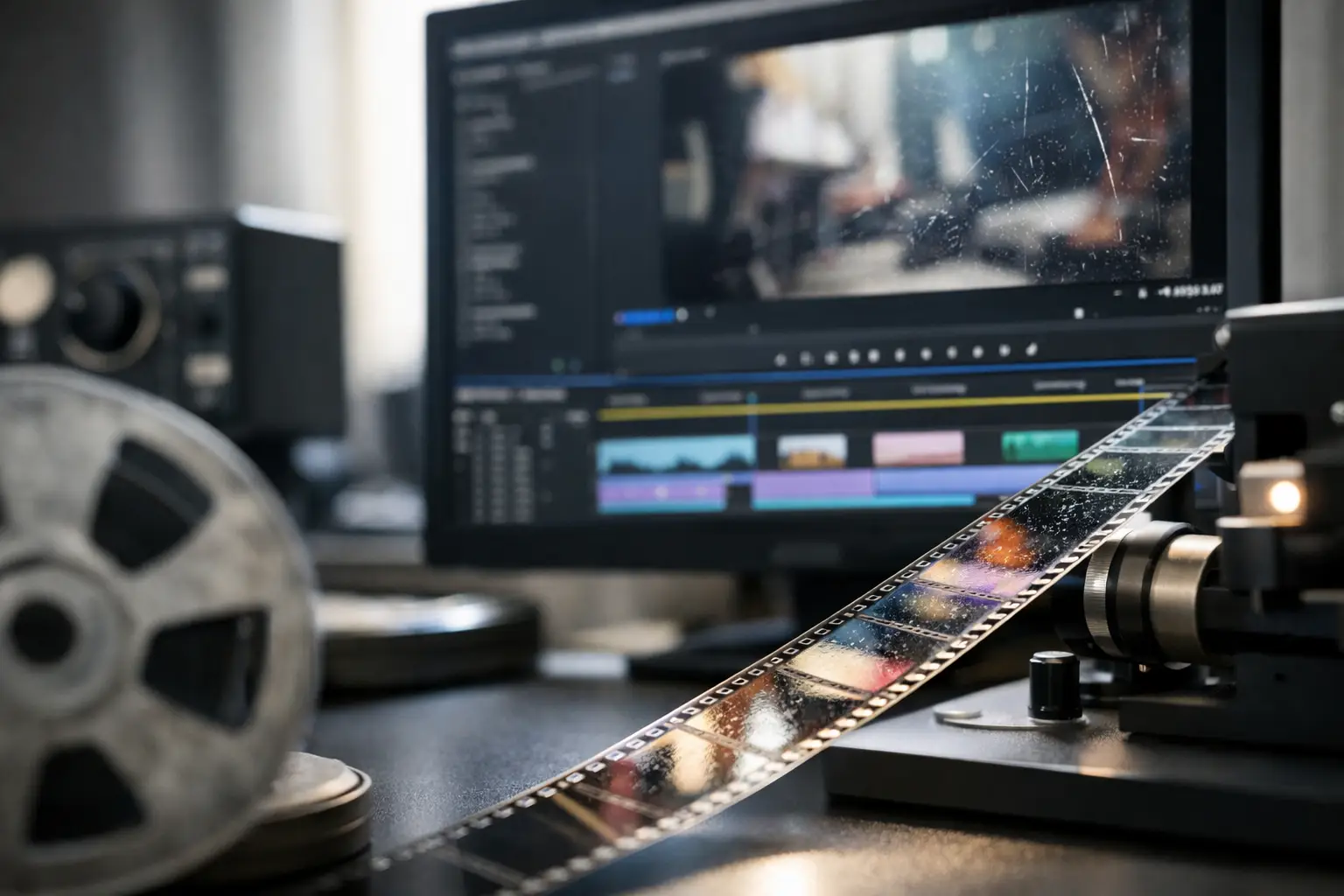
Common Telecine Artifact Solutions That Work
Common telecine artifact solutions for flicker, interlace combing, cadence errors, weave, dust, and color shifts in archival film transfers with control.
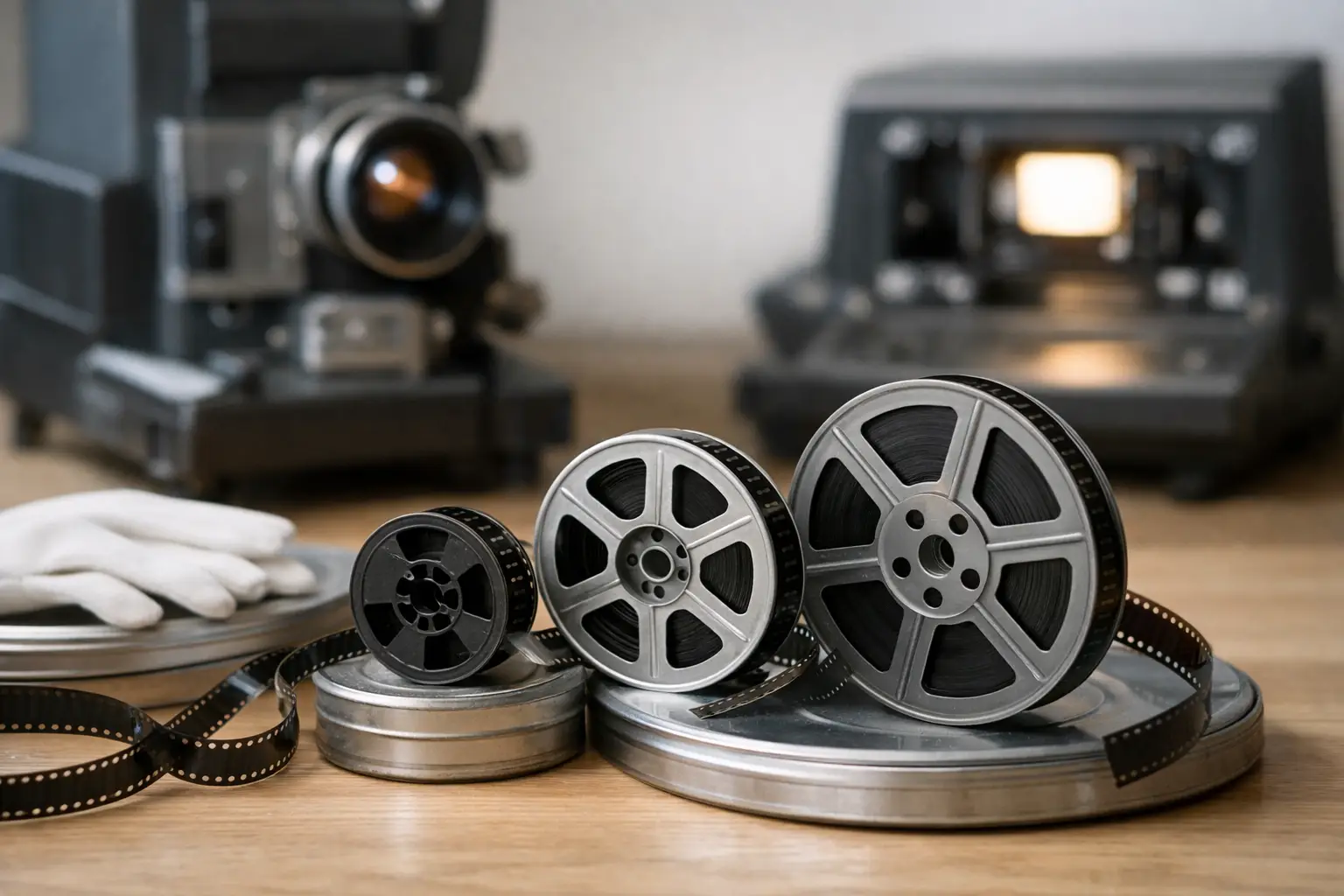
Film Preservation for 8mm, Super 8, and 16mm
Film preservation protects scanned 8mm, Super 8, 9.5mm, and 16mm footage through careful inspection, restoration, encoding, and archive-ready storage.
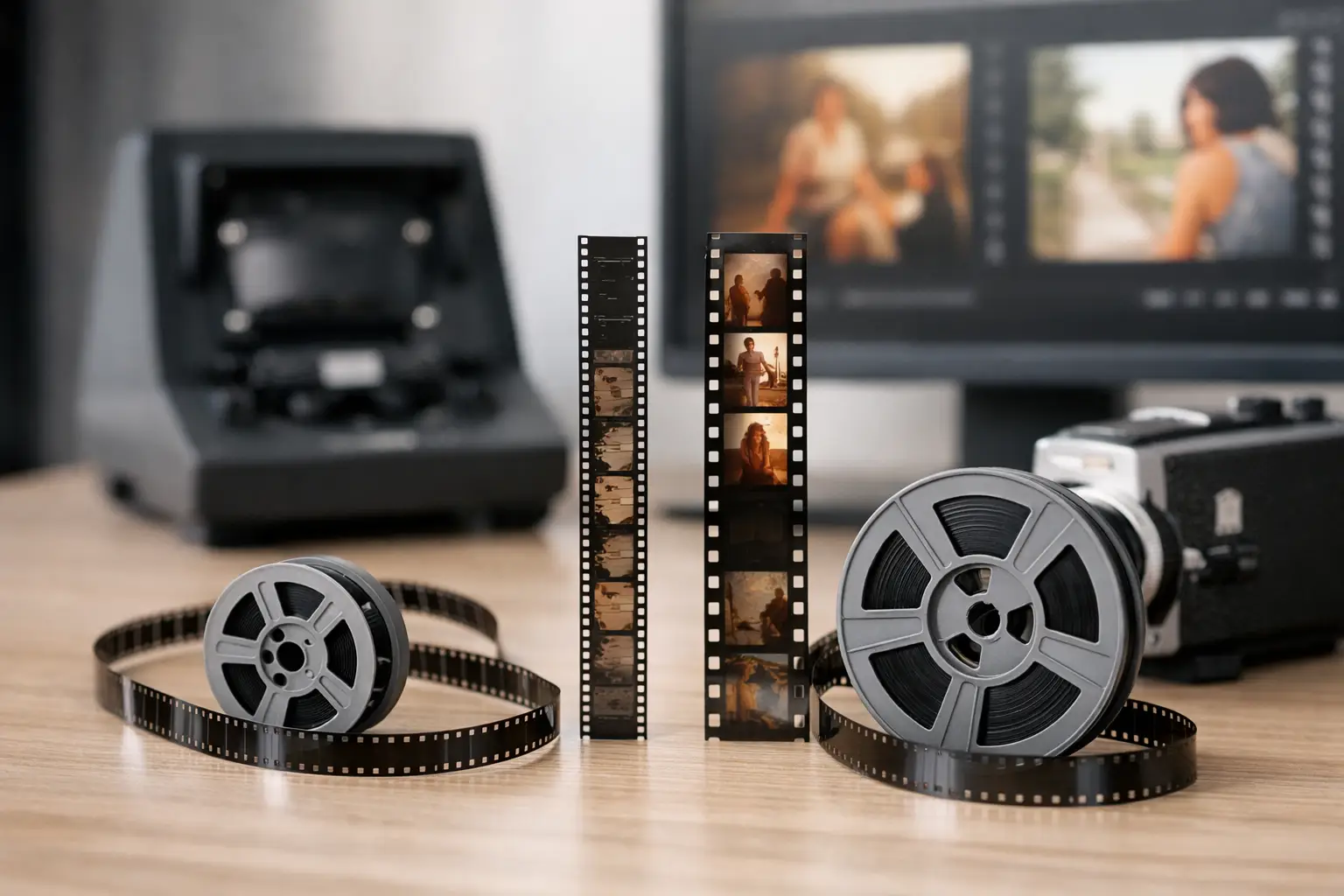
8mm Versus Super 8: What Your Scan Reveals
8mm versus Super 8 affects frame size, scan settings, stabilization, and restoration choices. Identify each format and build a reliable workflow properly.
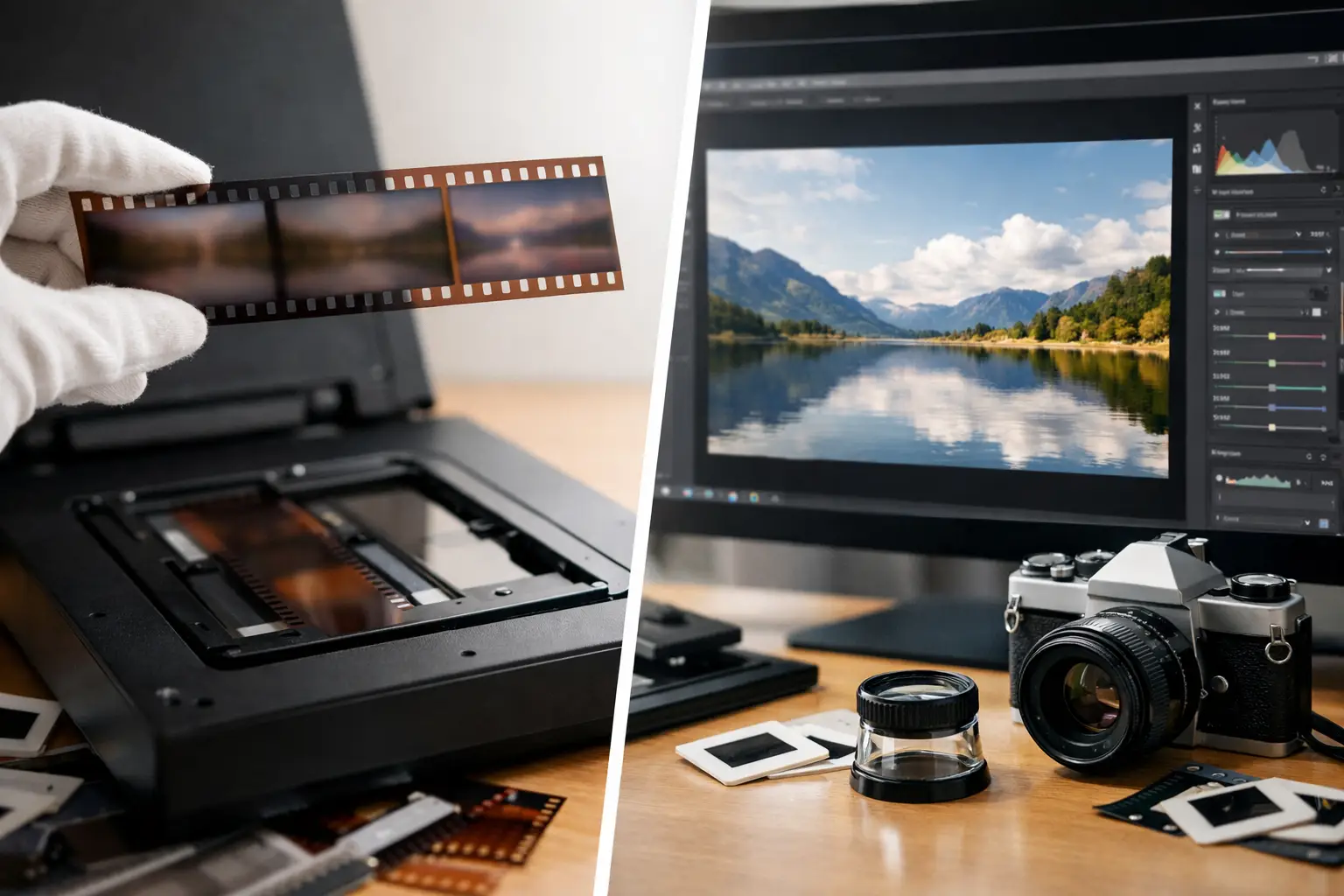
Why Scanned Film Looks Soft and How to Fix It
Learn why scanned film looks soft, from focus and motion blur to transfer settings, and how to diagnose detail loss before restoration and export cleanly.

Denoising Film Detail Without Erasing Texture
Denoising film detail calls for targeted grain reduction that protects texture, edges, and motion across scanned 8 mm, Super 8, and 16 mm footage cleanly.
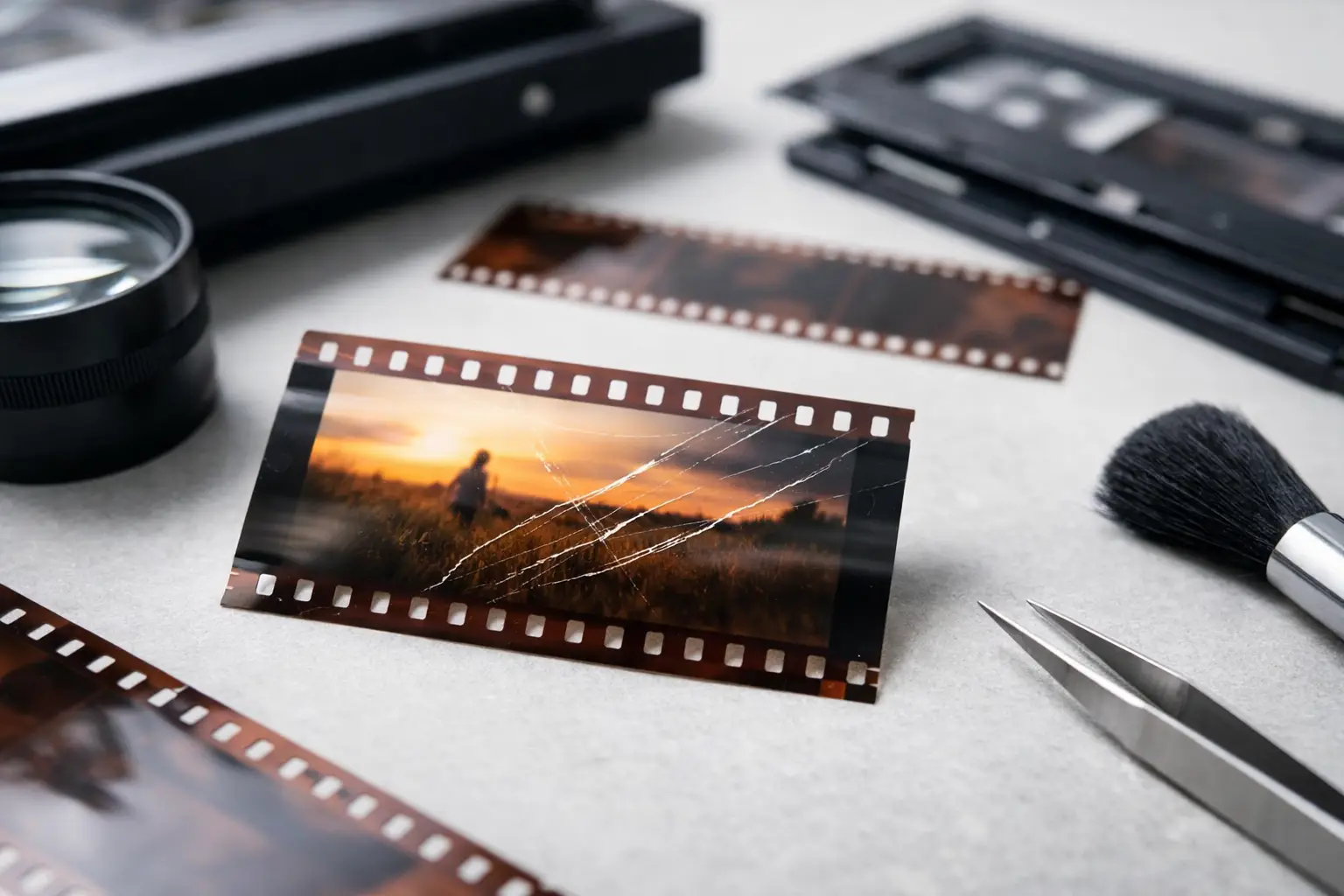
What Causes Scratches on Film Scans and How to Stop Them
Learn what causes scratches on film scans, how to identify damage from capture artifacts, and which handling and restoration steps protect detail well.
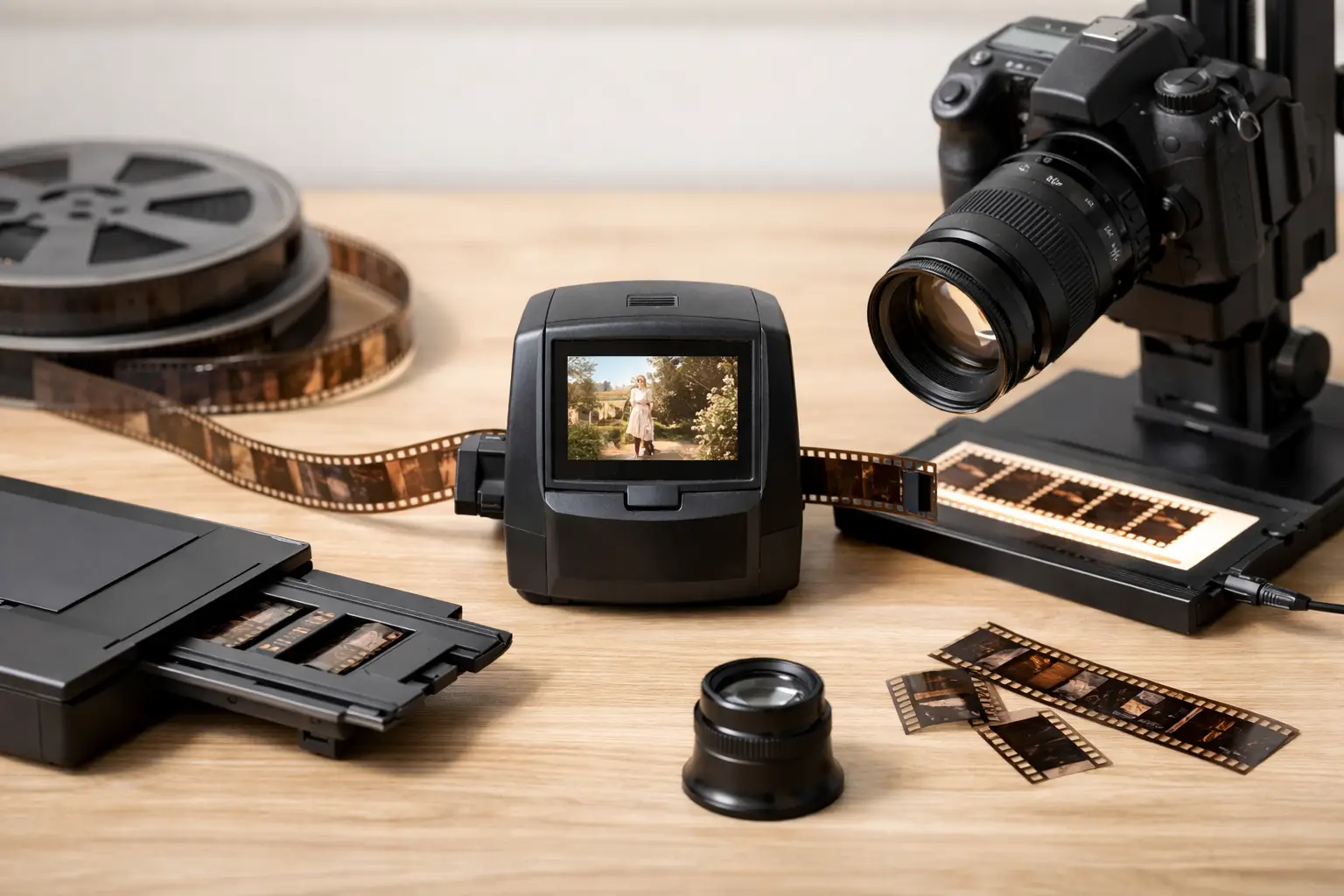
Best Tools for 9.5mm Scans That Preserve Detail
Compare the best tools for 9.5mm scans, from film-safe capture to perforation stabilization, dust removal, color correction, and archival exports safely.
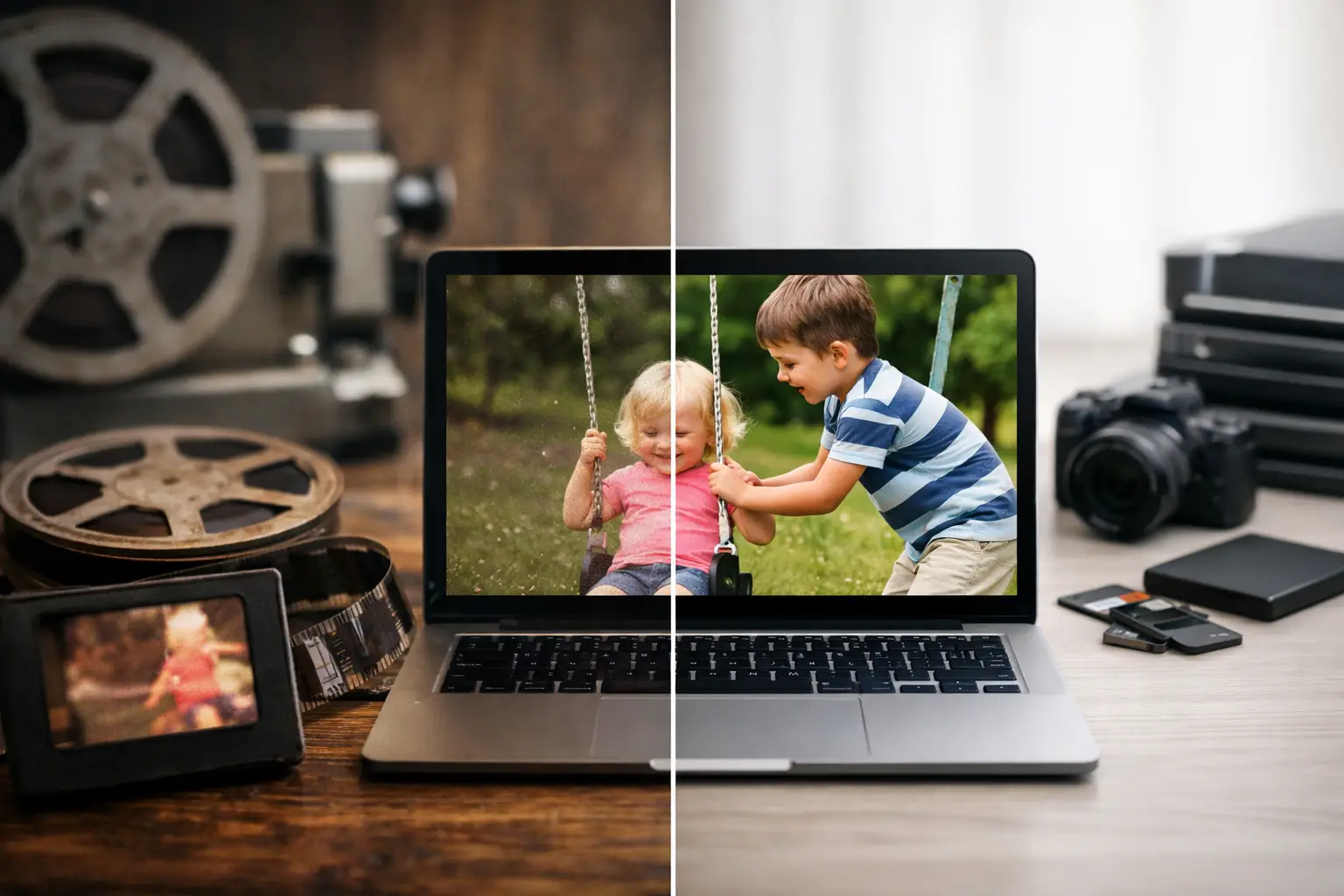
Home Movie Cleanup: Before and After Results
See what home movie cleanup before after work can fix in scanned film - dust, flicker, jitter, grain, and faded color - while preserving real image detail.
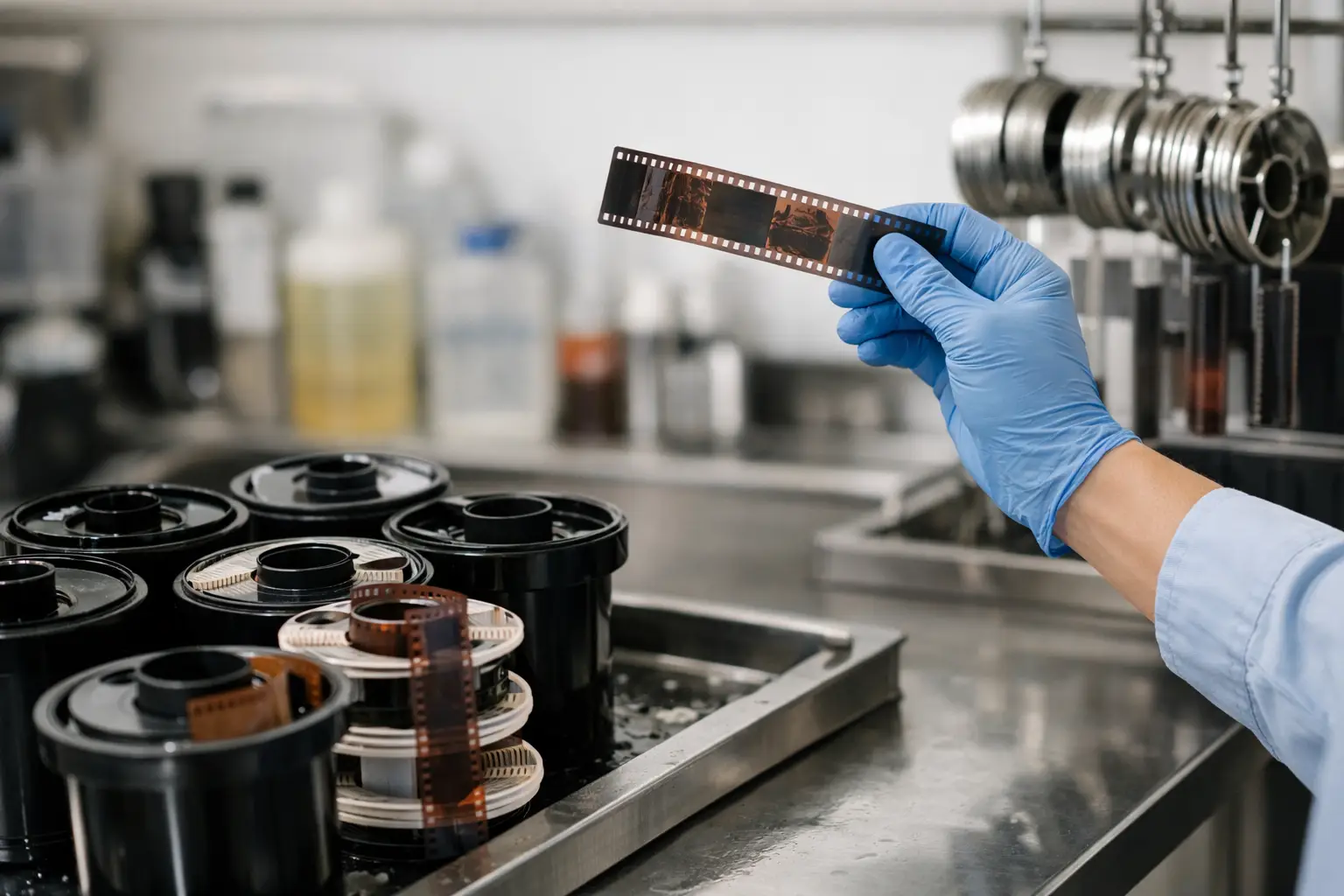
How to Process Film Batches Without Losing Control
Learn how to process film batches with repeatable restoration presets, controlled previews, and archive-ready exports for 8mm through 16mm scans cleanly.
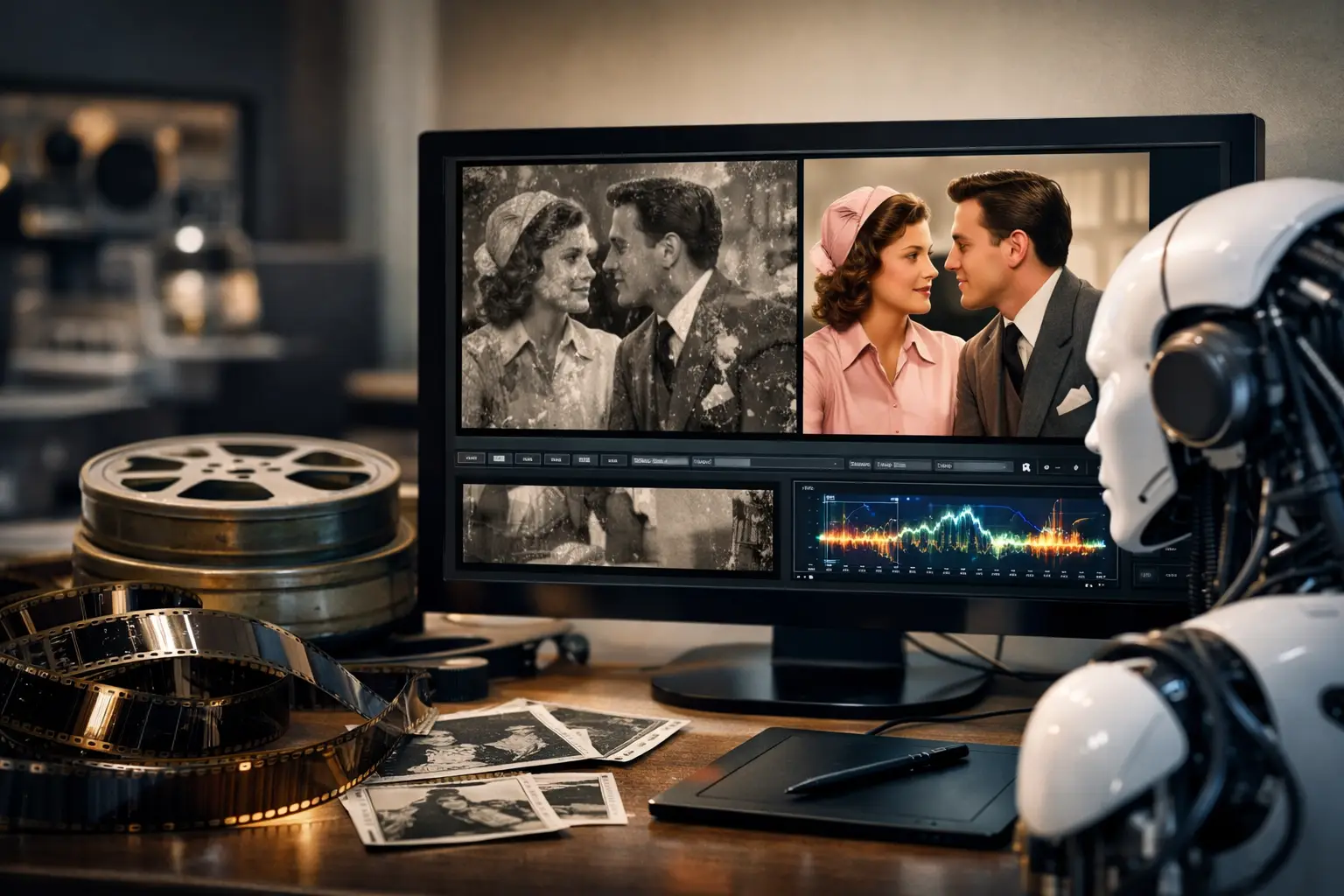
AI Trends in Film Restoration That Matter
AI trends in film restoration are speeding cleanup, but the best workflows still protect grain, motion, color intent, and archival detail faithfully.
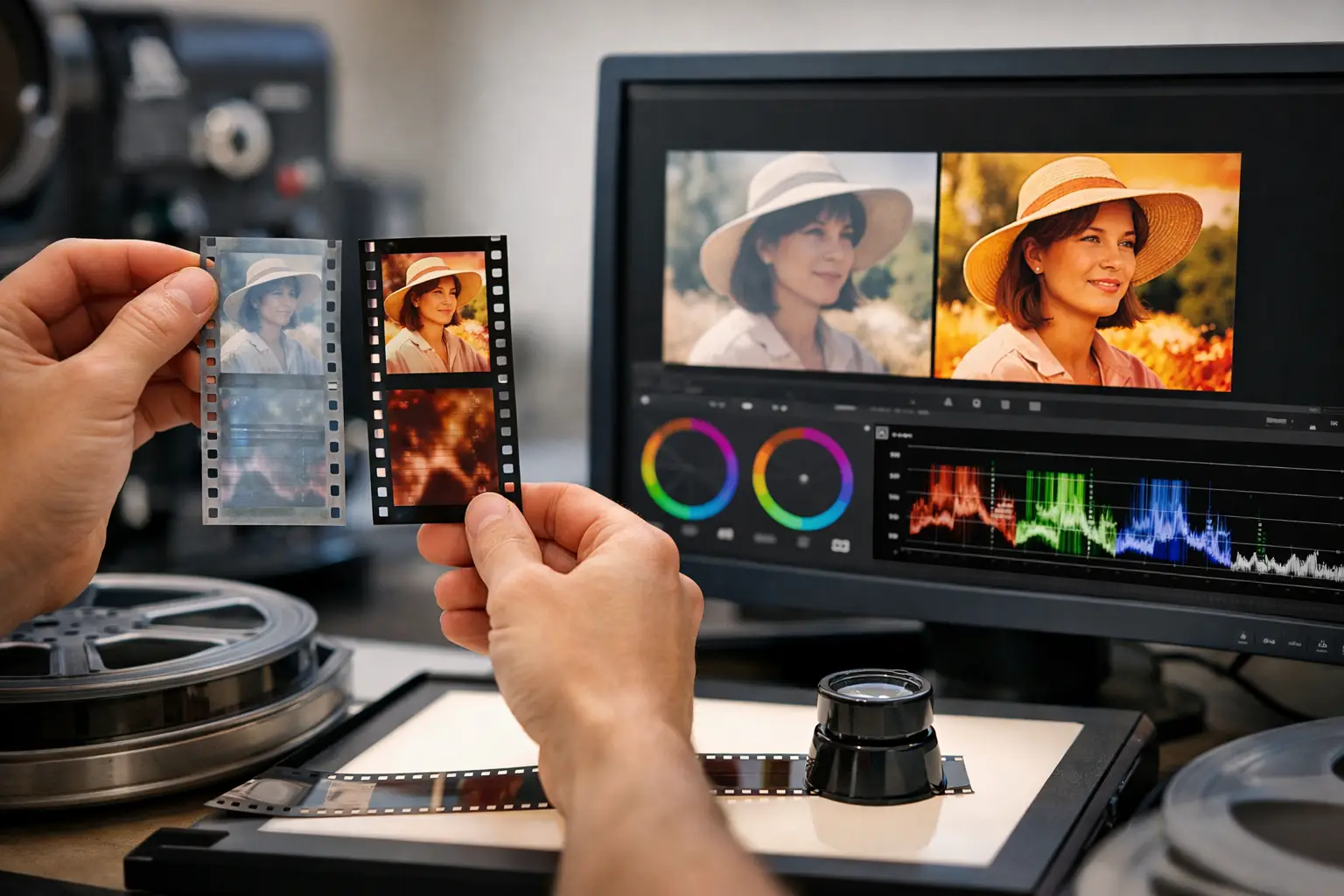
A Practical Guide to Film Color Recovery Scans
Use this guide to film color recovery to correct faded dyes, color casts, and uneven exposure while preserving the character of scanned film faithfully.
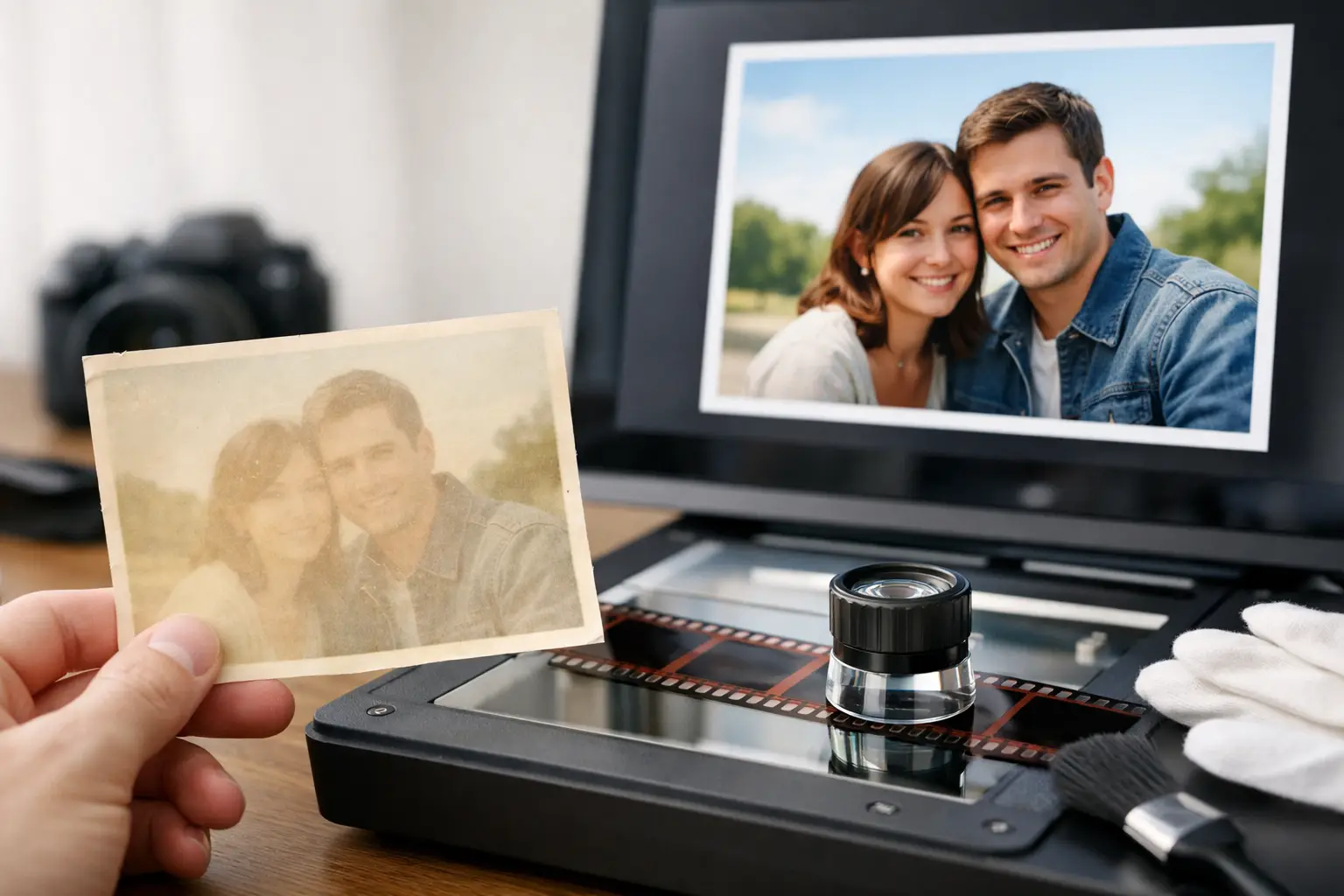
Can Faded Film Be Restored From Old Scans?
Can faded film be restored? See what careful digital correction can recover from 8mm, Super 8, 9.5mm, and 16mm scans while retaining a natural image.
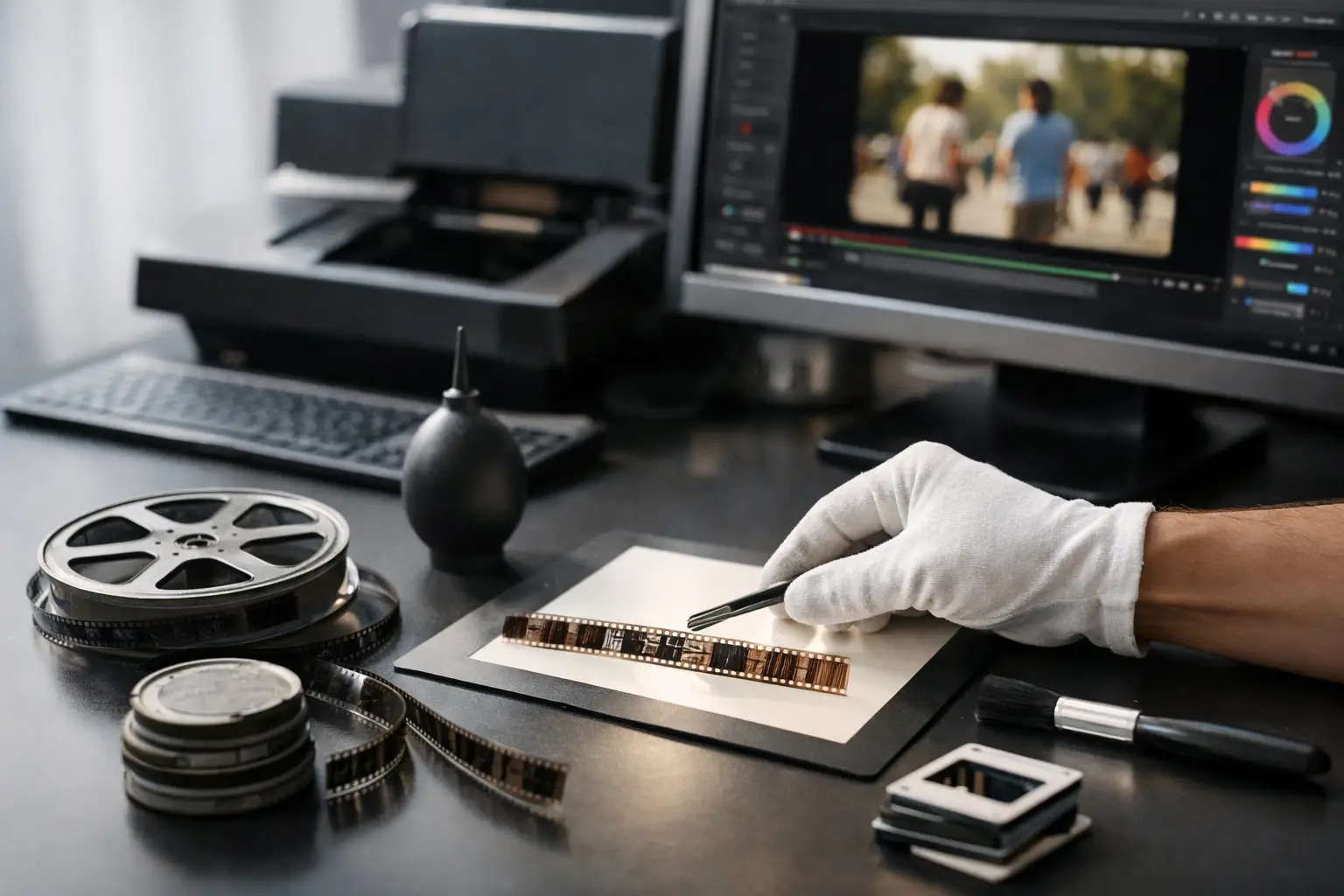
Guide to 8mm Scan Cleanup for Better Film
This guide to 8mm scan cleanup explains how to remove dust, stabilize jitter, manage grain, and correct color without erasing film detail in old reels.
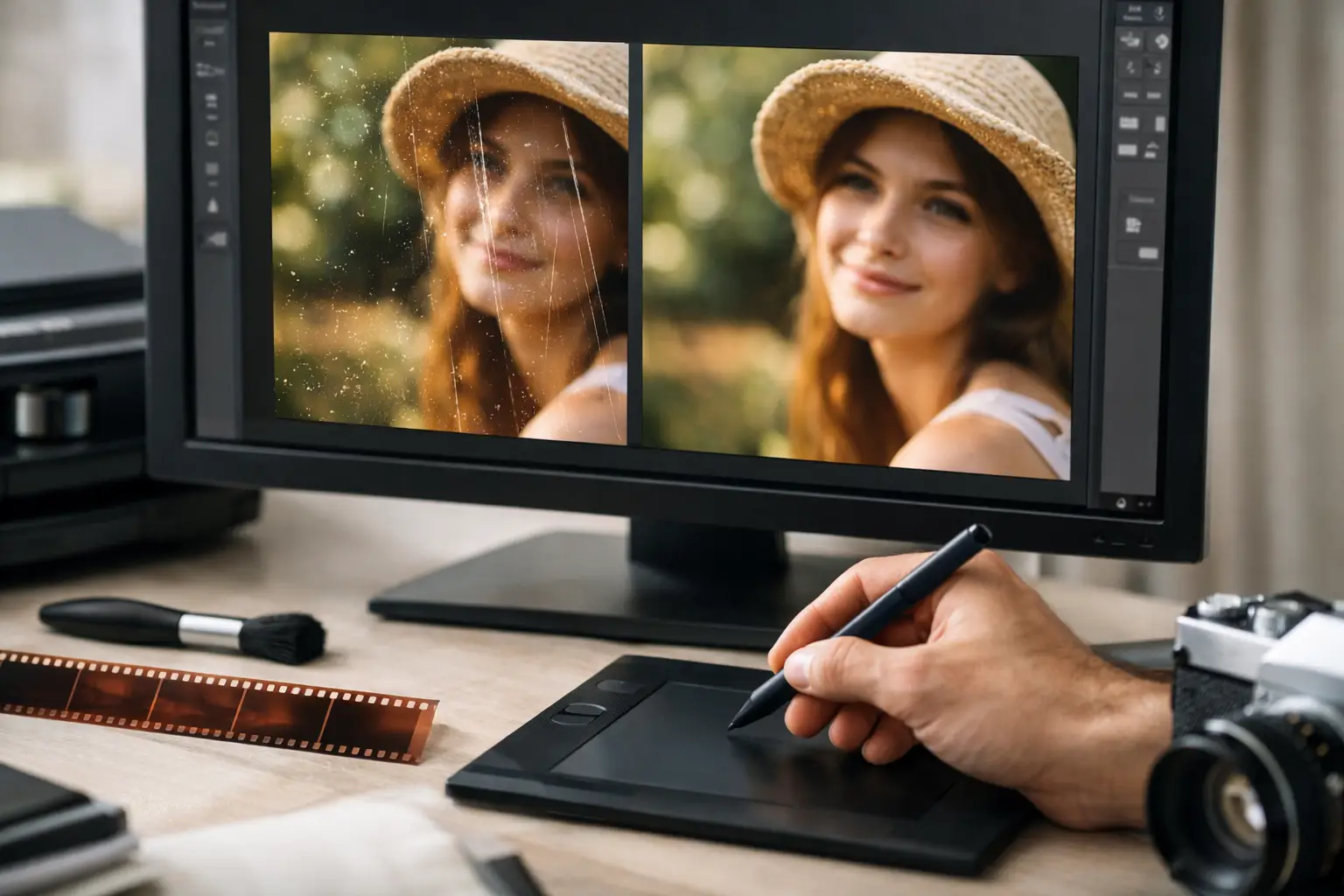
How to Clean Scanned Film Scratches Without Blur
Learn how to clean scanned film scratches while preserving grain, edge detail, and motion with a controlled restoration workflow for archival film scans.
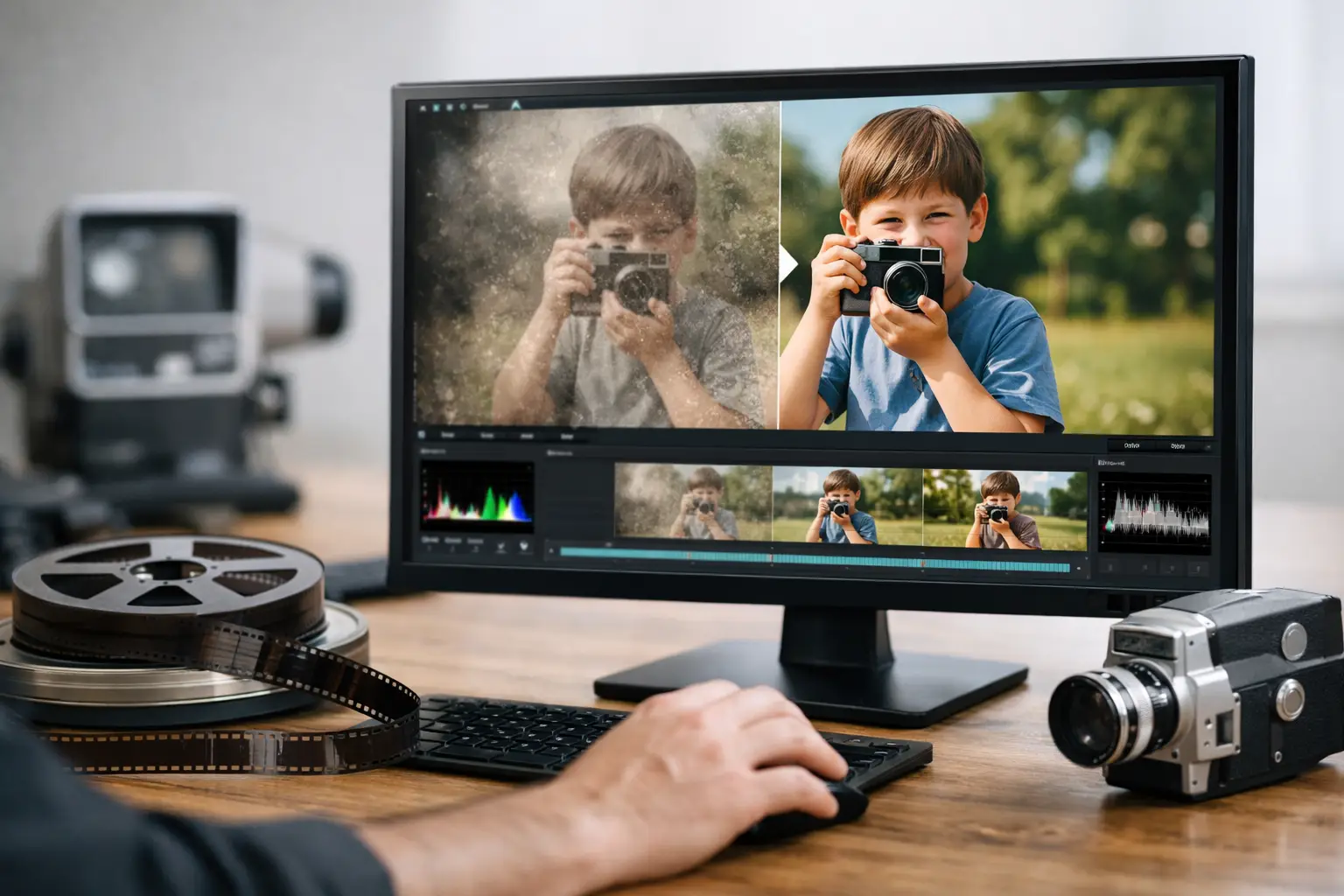
How to Restore 8mm Film Scans with Control
Learn how to restore 8mm film scans by correcting instability, dust, grain, color, and splices while preserving the character of the original film reel.

Super 8 Sound Synchronization Without Guesswork
Super 8 sound synchronization explained: diagnose drift, align magnetic tracks, correct speed, and export restored films with reliable lip sync results.

How to Repair Flicker in Telecine Film Scans
Learn how to repair flicker in telecine film scans by diagnosing exposure shifts, choosing safe filters, and preserving authentic film texture on film.
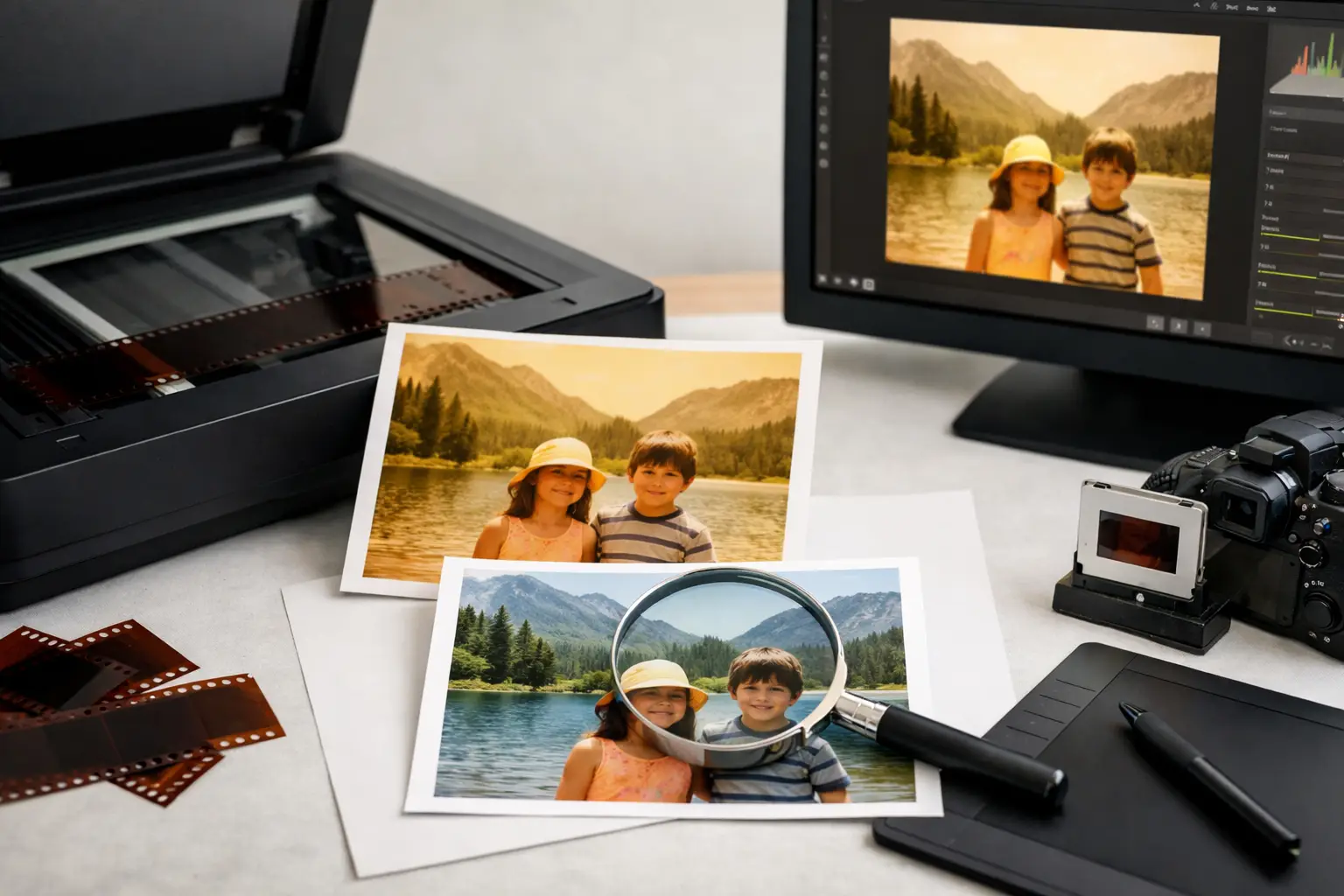
How to Fix Color Cast in Scans of Old Film
Learn how to fix color cast in scans of 8mm, Super 8, 9.5mm, and 16mm film while preserving skin tones, density, and original image character with care.
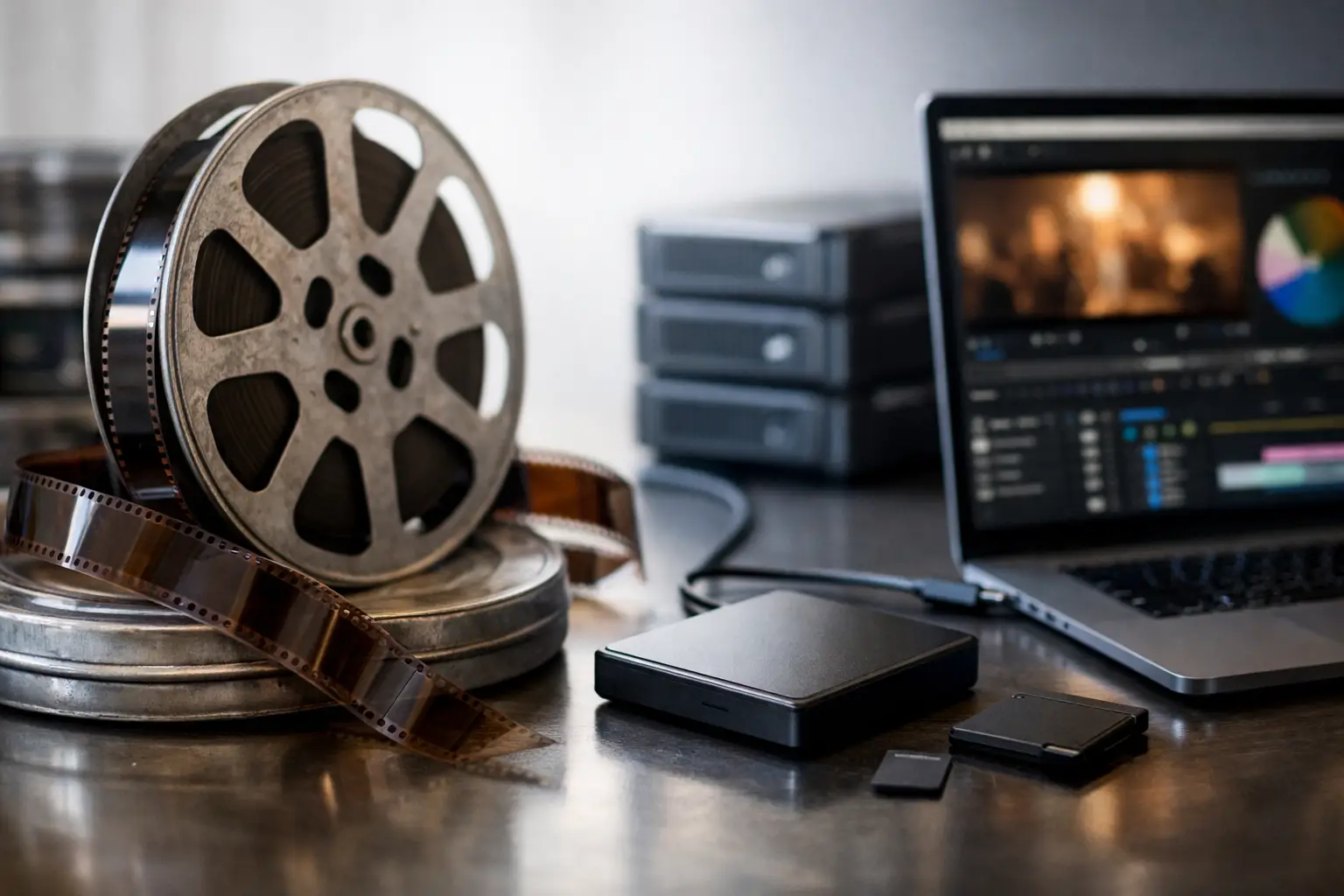
Which Codec for Film Preservation? A Practical Answer
Which codec for film preservation protects scan quality, supports future access, and keeps restoration masters practical for active archival workflows.
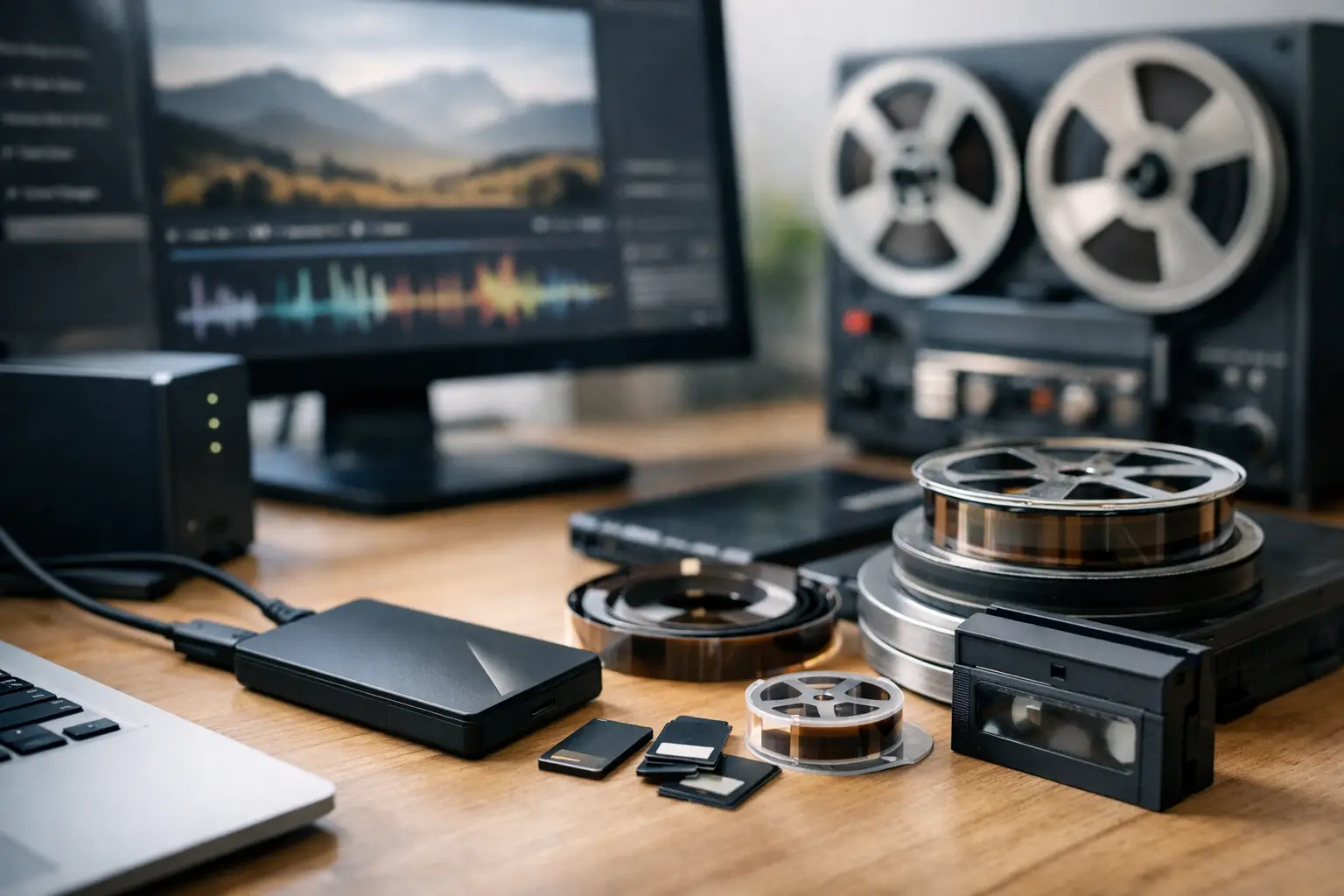
Top Encoding Formats for Preservation Work
Choose the top encoding formats for preservation of scanned film, balancing lossless quality, metadata, storage cost, and future playback in archives.
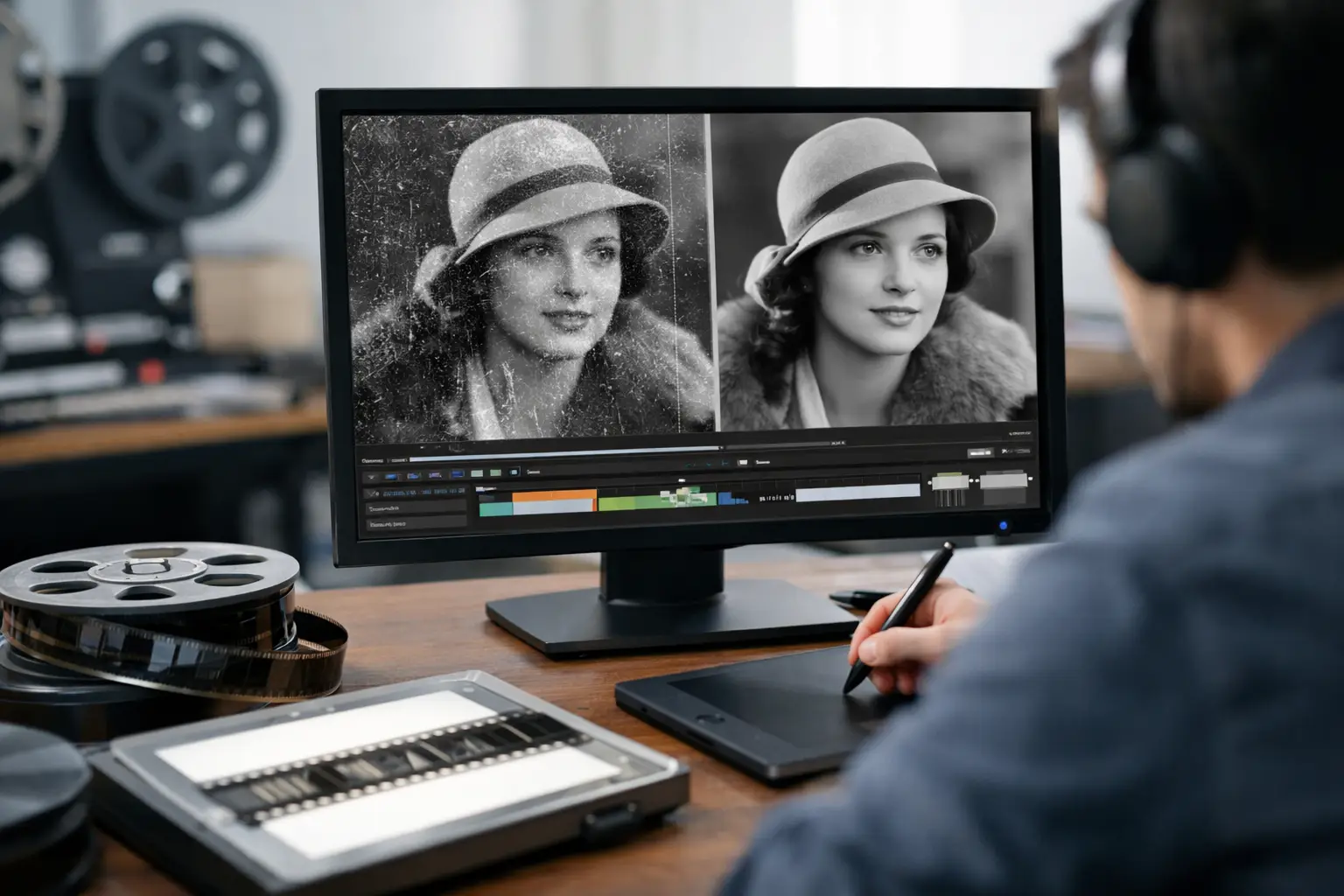
Top Workflows for Film Cleanup That Preserve Detail
Top workflows for film cleanup: stabilize scans, remove dust and splice damage, manage grain, correct color, and export archive-ready masters with control.
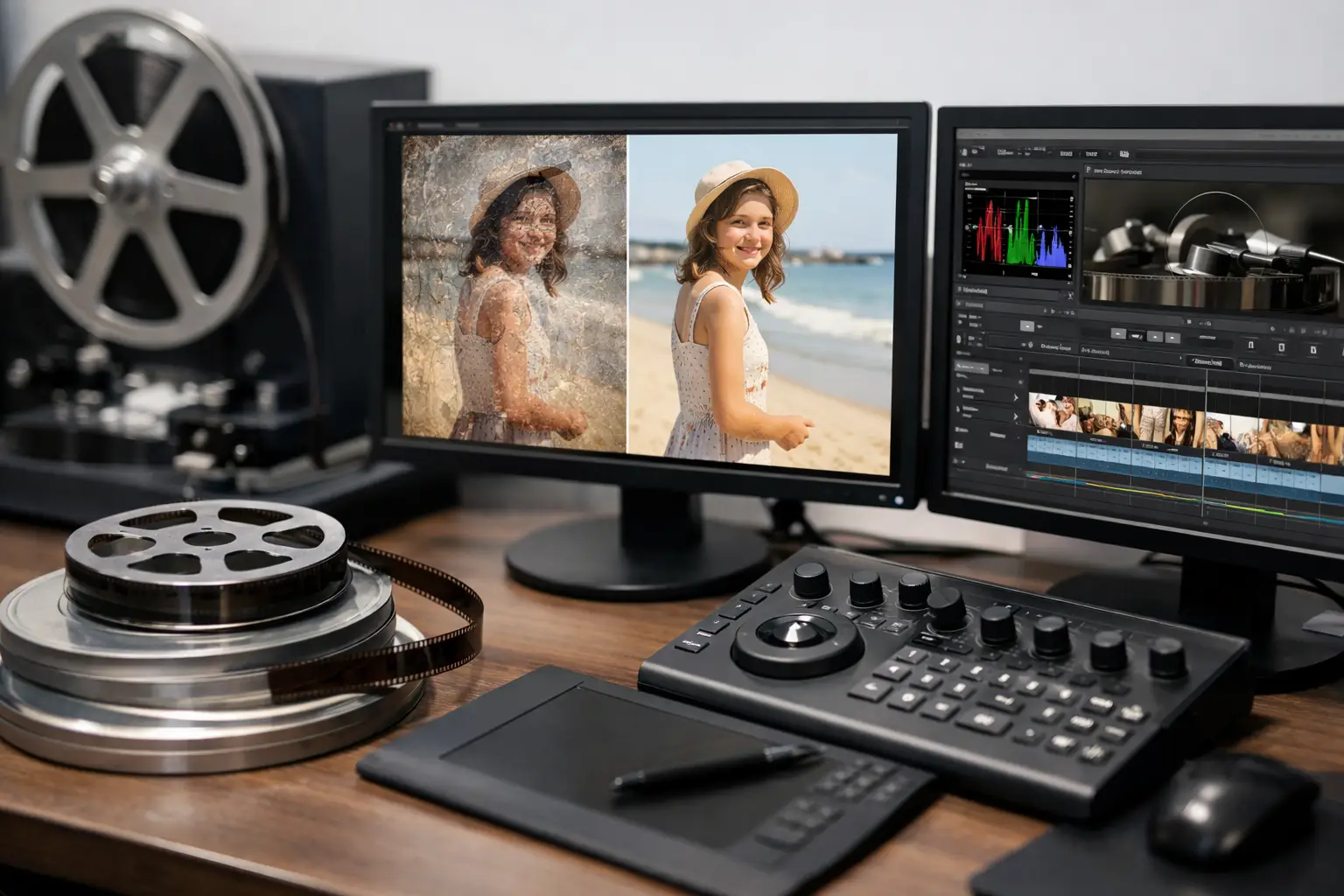
Film Restoration Software for Scanned Reels
Film restoration software for 8mm, Super 8, 9.5mm, and 16mm scans reduces dirt, stabilizes frames, corrects color, and creates masters for preservation.
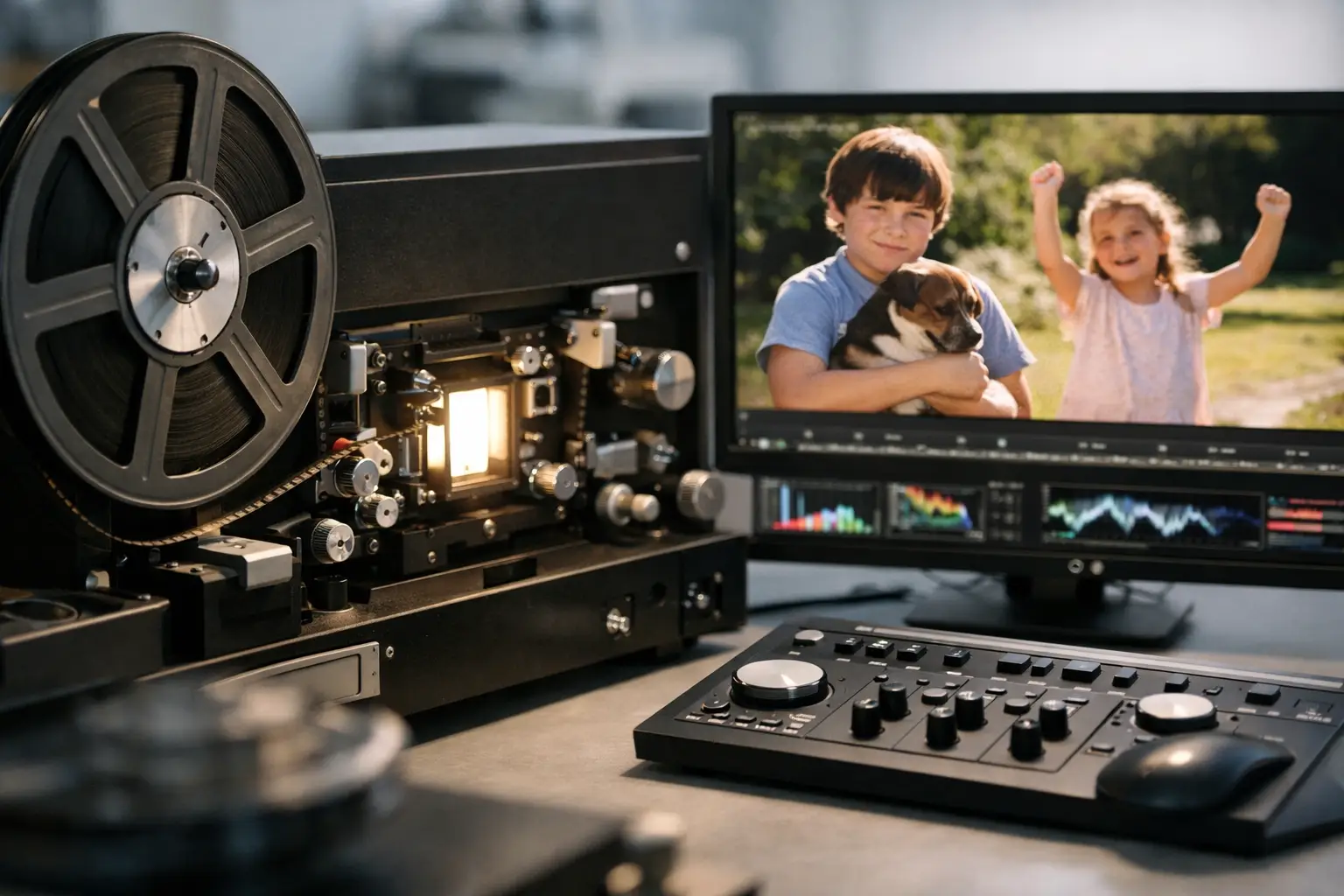
Super 8 Telecine Cleanup for Better Film Scans
Super 8 telecine cleanup removes dust, splice jumps, flicker, and color casts while preserving grain, detail, and the character of the original film stock.

RemoveDirt Alternative for Film Restoration
Looking for a RemoveDirt alternative for film? Compare temporal cleanup methods that protect grain, motion, and detail in digitized 8mm to 16mm footage.
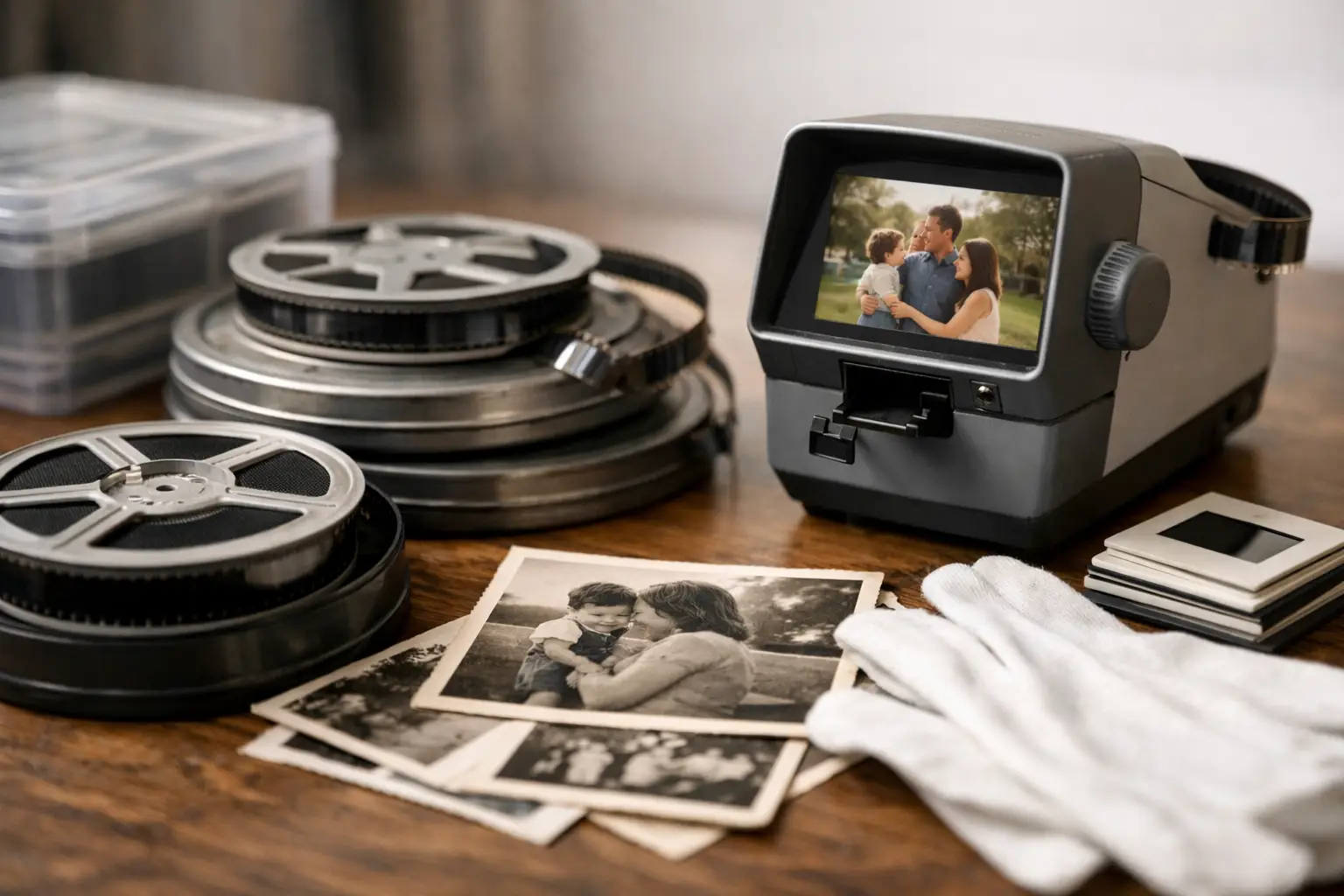
How to Preserve Family Film Archives Safely
Learn how to preserve family film archives with a practical workflow for inspection, scanning, restoration, encoding, and storage that protects every frame
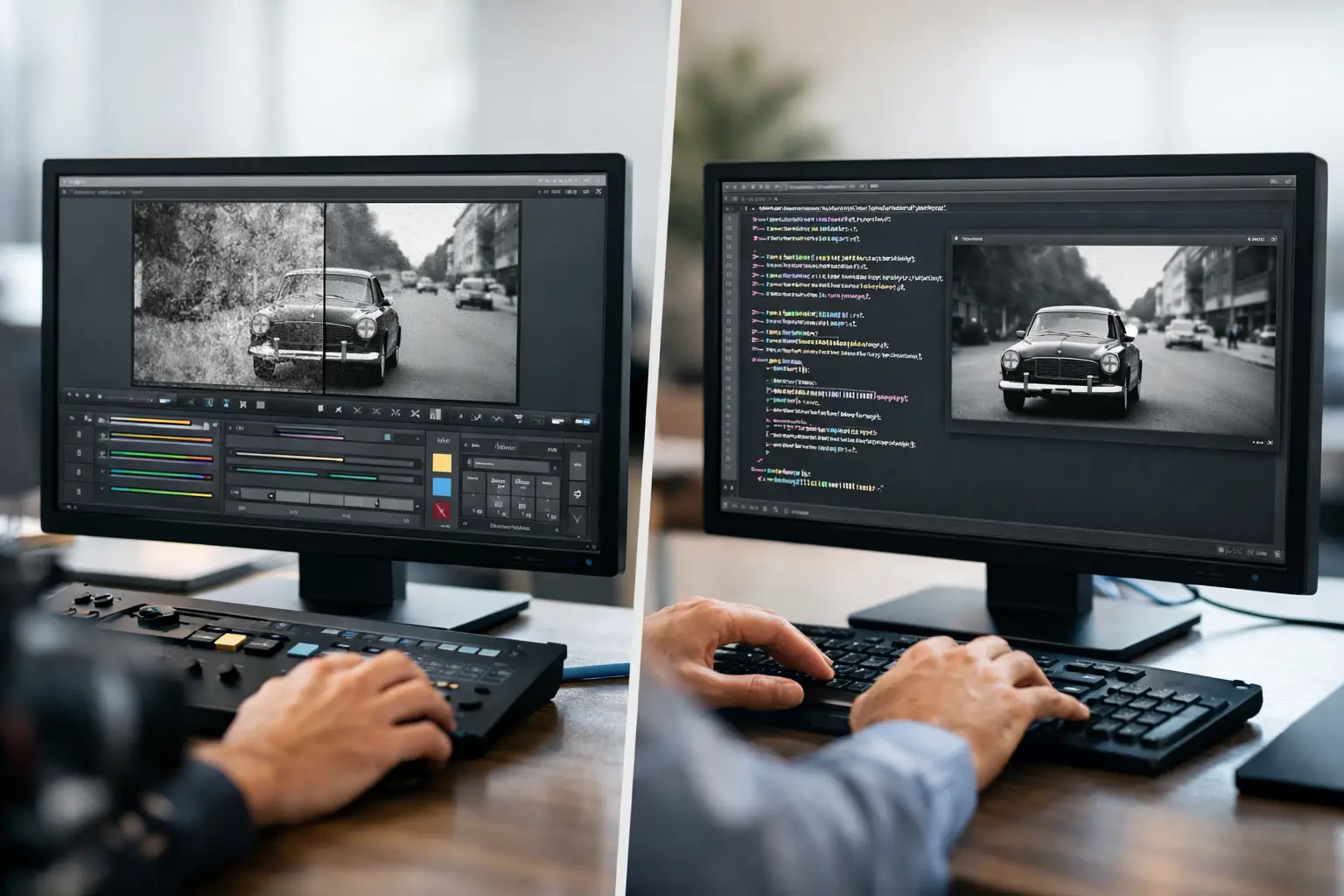
AviSynth GUI Versus Scripting for Film Restoration
AviSynth GUI versus scripting for film restoration: compare control, speed, repeatability, and the right workflow for scanned 8 mm, Super 8, and 16 mm.
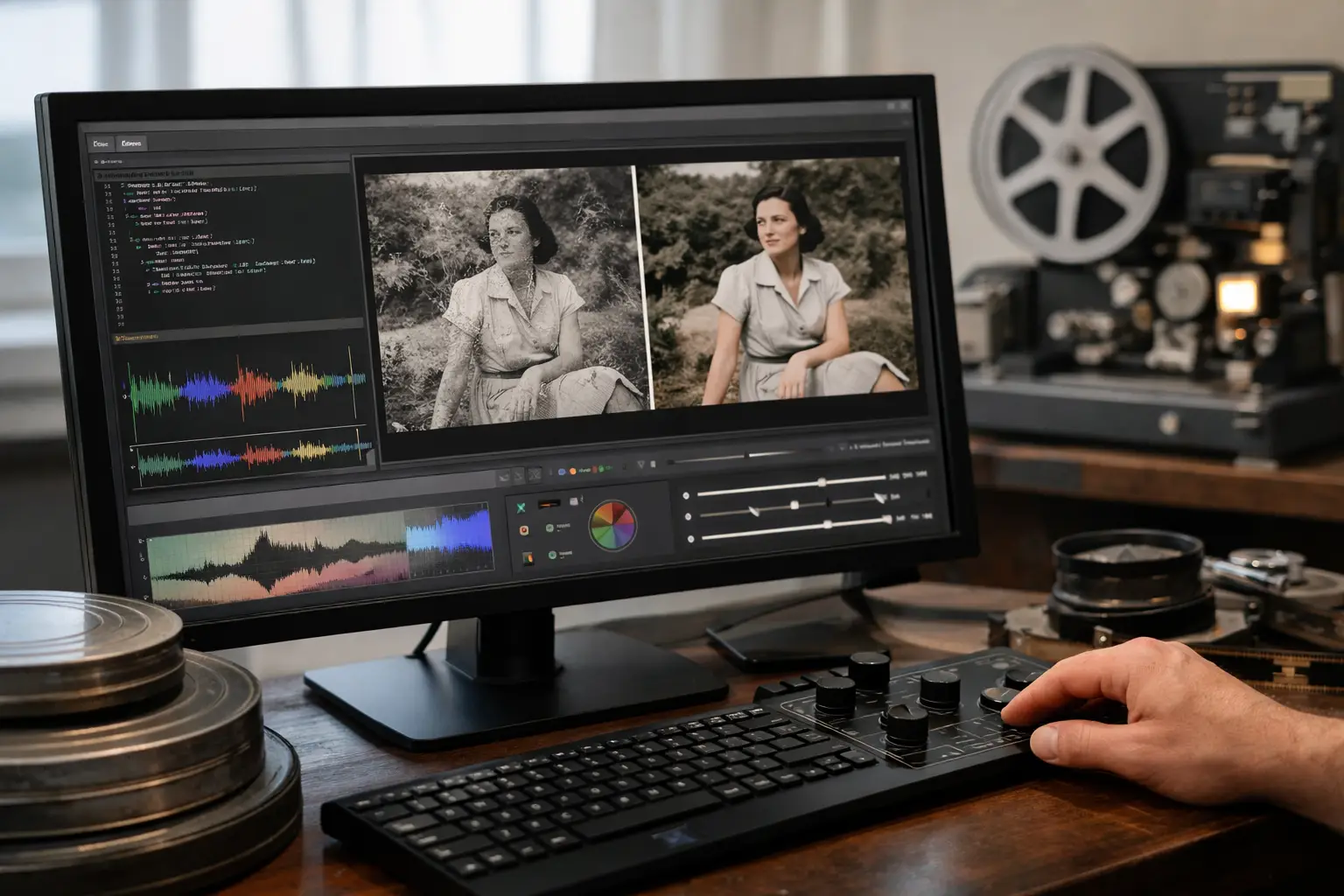
Custom AviSynth Filter Editor for Film Restoration
A custom AviSynth filter editor gives film restorers precise control over grain, dust, stabilization, color, previews, and professional exports reliably.
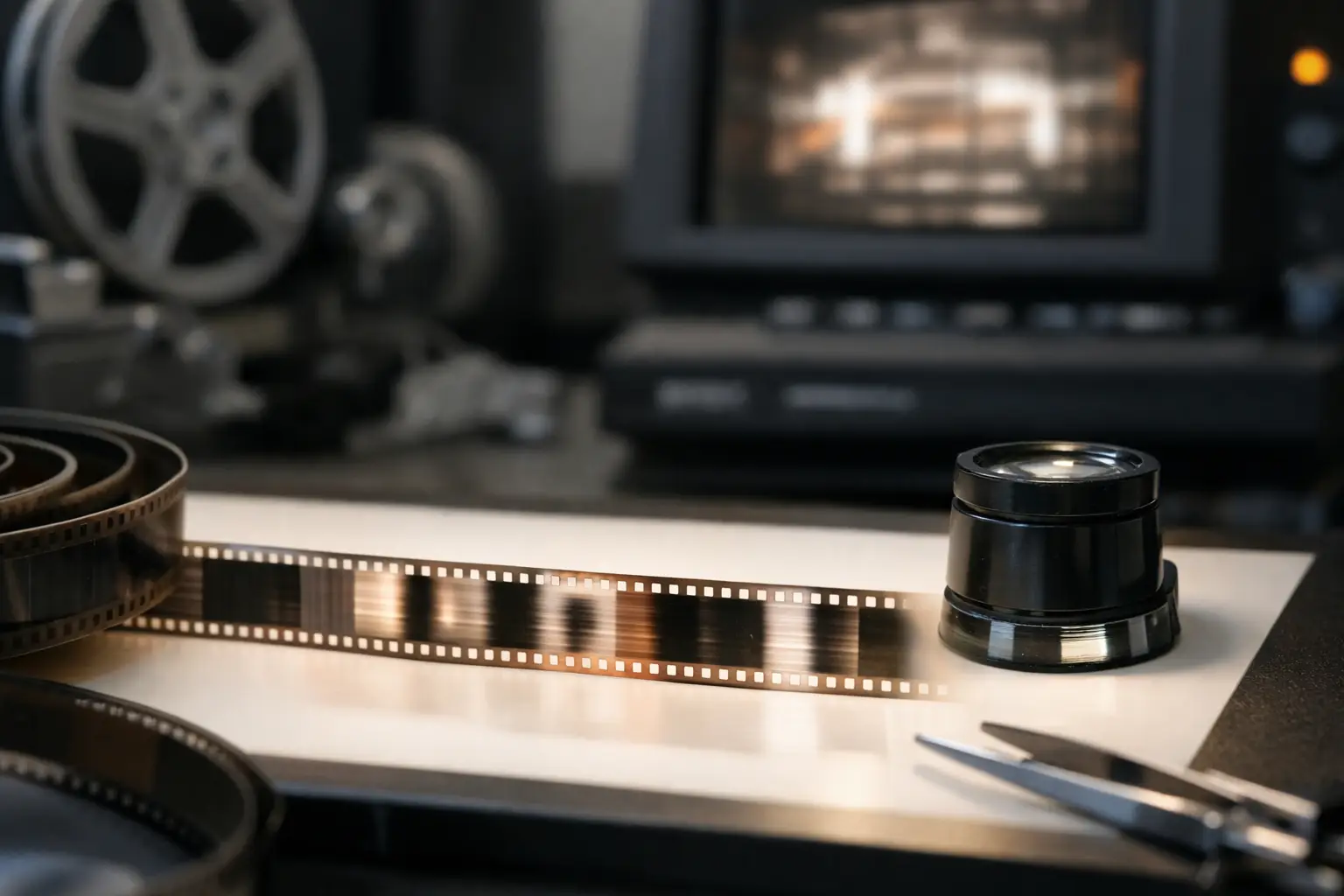
Why Do Film Scans Flicker? Causes and Fixes
Why do film scans flicker? Identify exposure, shutter, and scan causes, then correct temporal brightness shifts while protecting grain and fine detail.
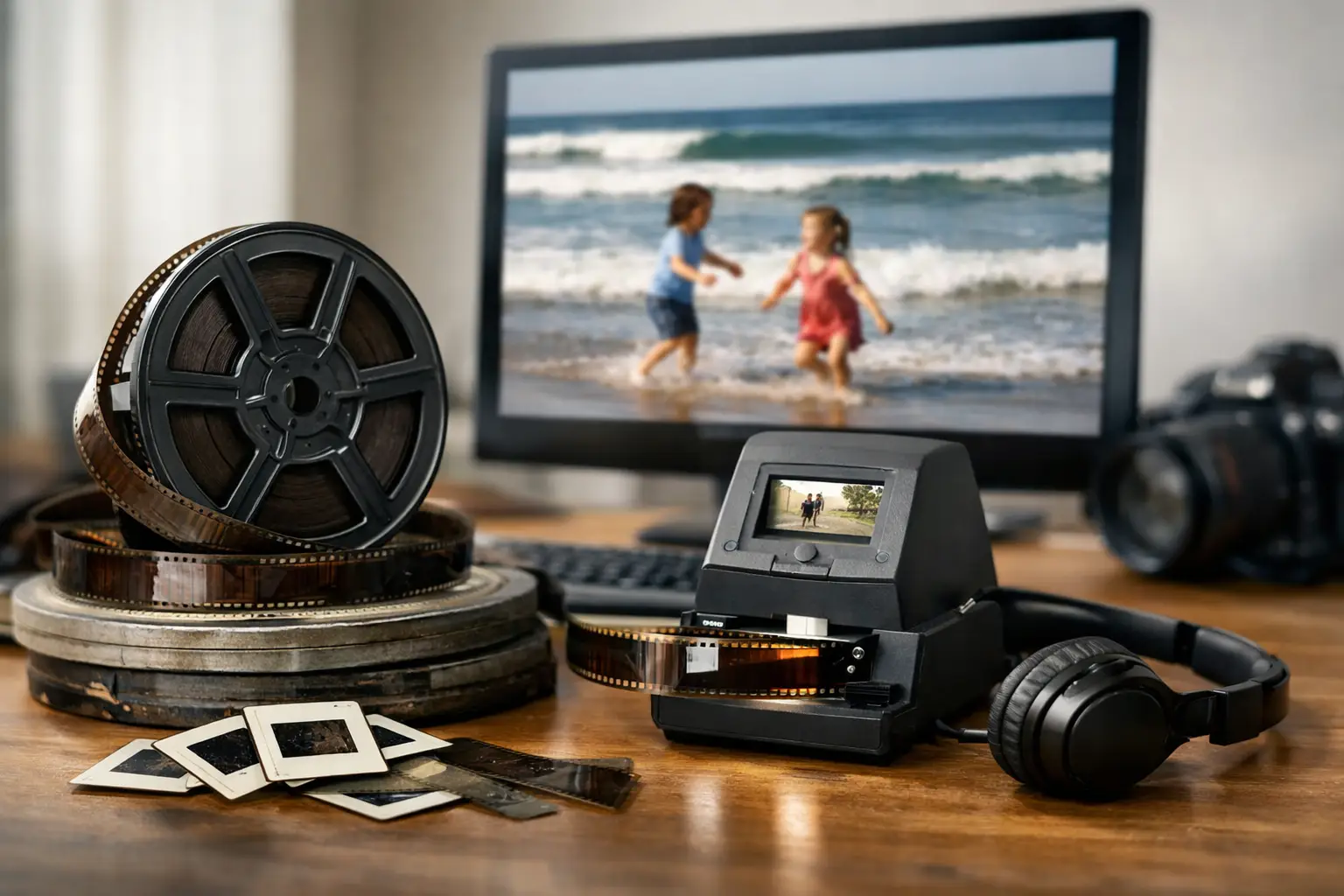
Digitized Home Movie Restoration That Holds Up
Digitized home movie restoration for 8mm, Super 8, 9.5mm, and 16mm scans: remove dust, stabilize frames, correct color, and preserve film detail safely.
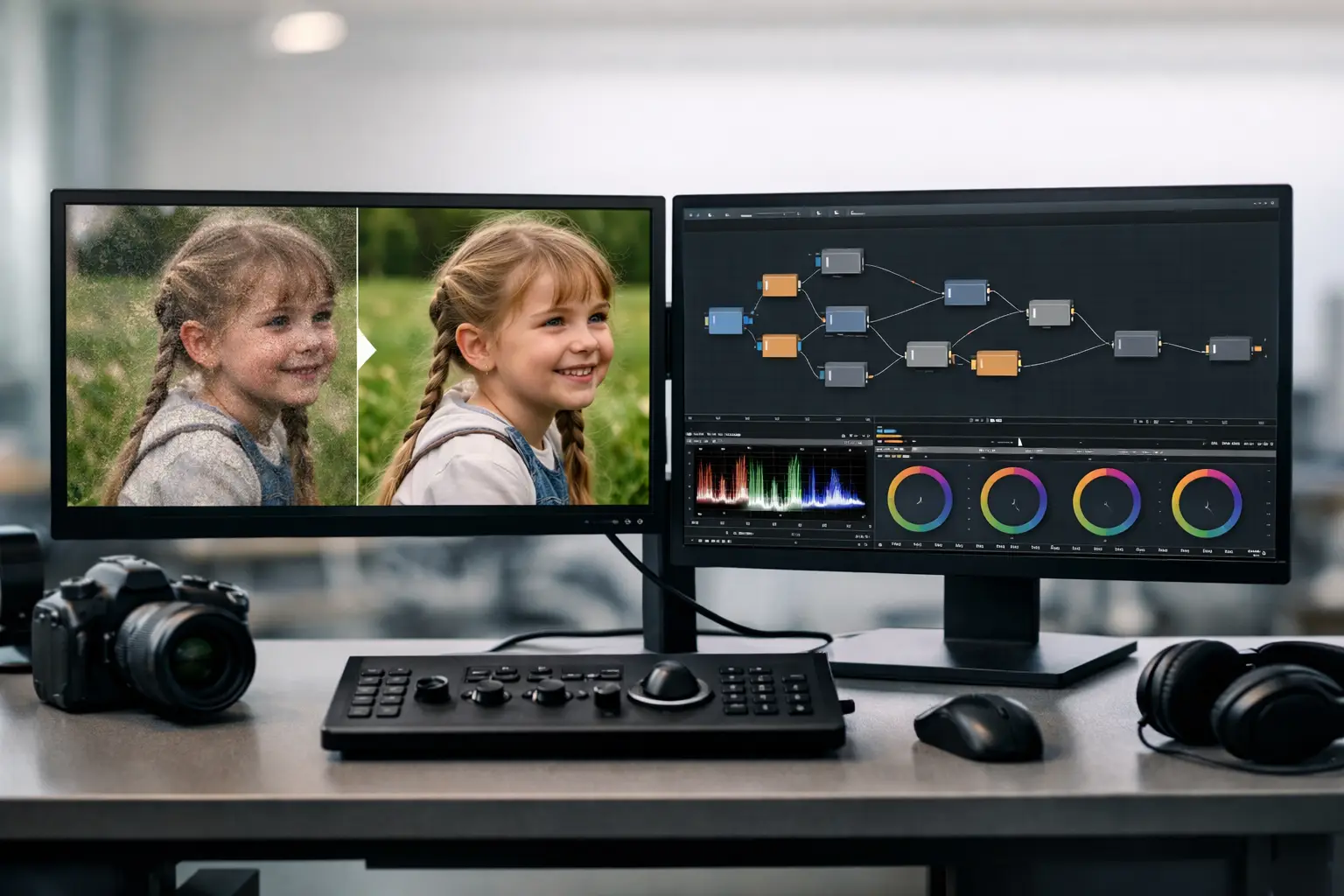
Visual Node Based Video Restoration Explained
Visual node based video restoration gives film archives a controlled way to clean scans, correct defects, preview changes, and export dependable masters.
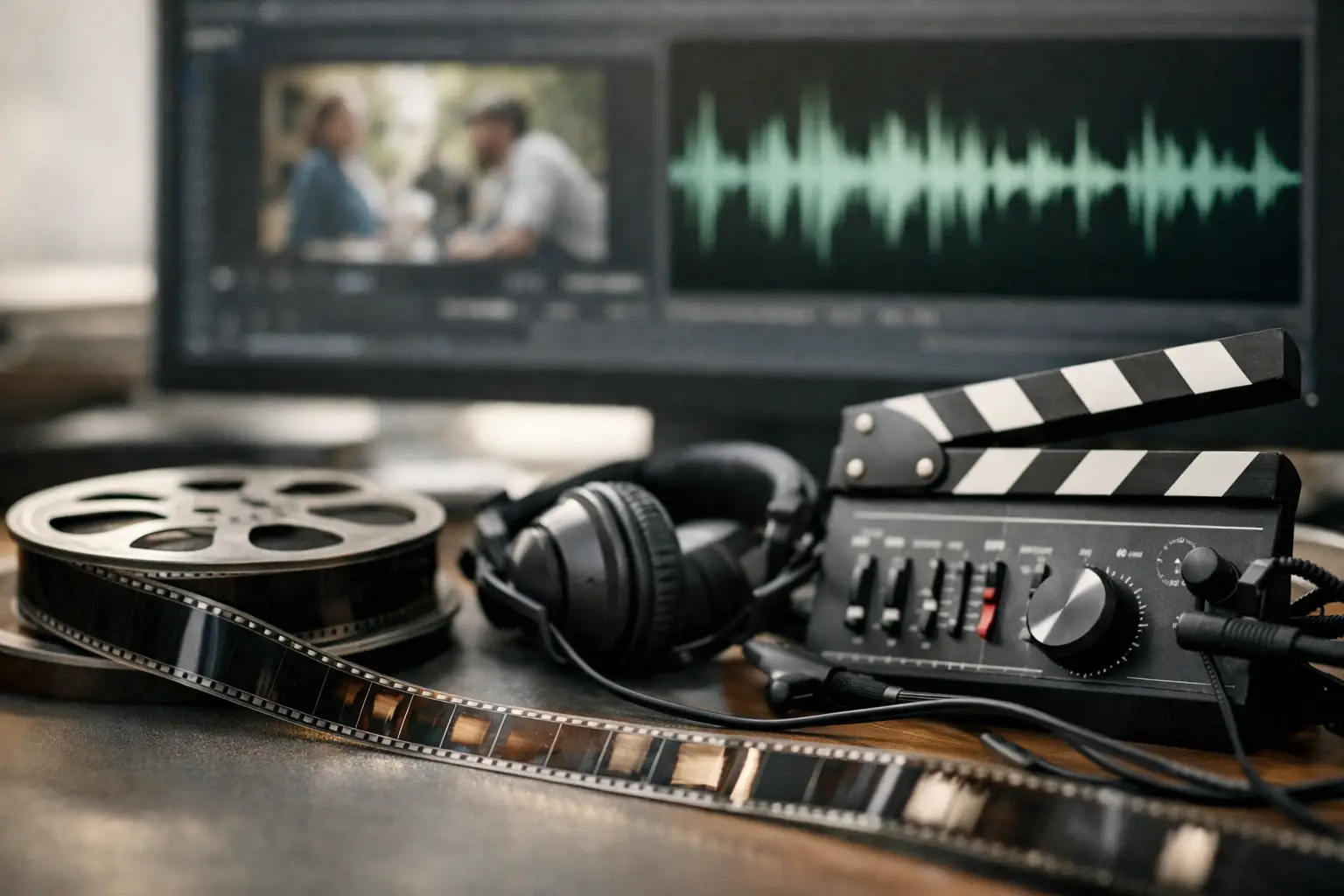
Sync Sound on Film Scan Without Losing Frames
Sync sound on film scan: stabilize cadence, align references, and correct drift accurately across 8 mm, Super 8, 9.5 mm, and 16 mm transfers reliably.
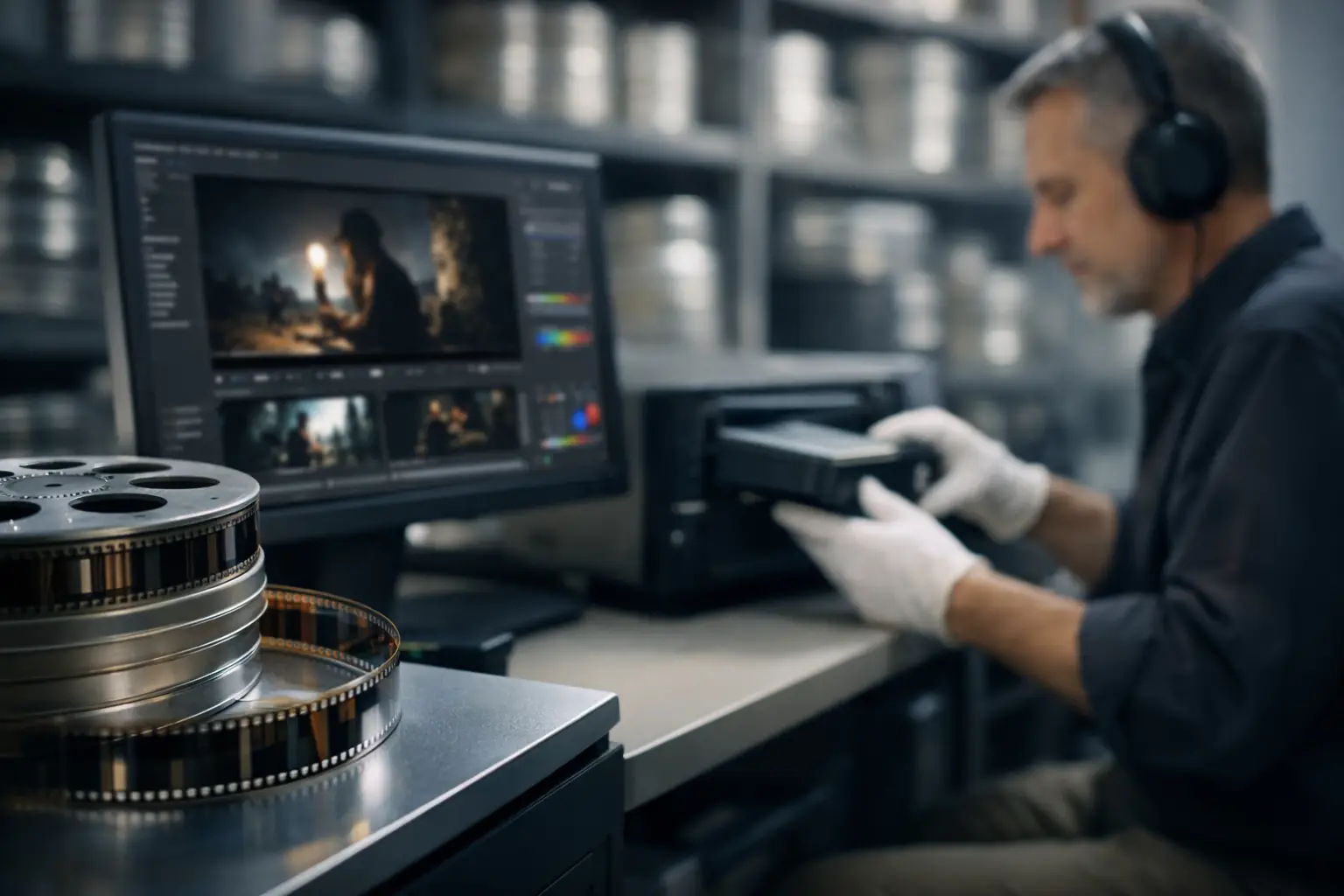
Professional Film Archive Encoding That Holds Up
Professional film archive encoding protects restored scans with the right master codec, bit depth, chroma, metadata, and delivery files for the future.
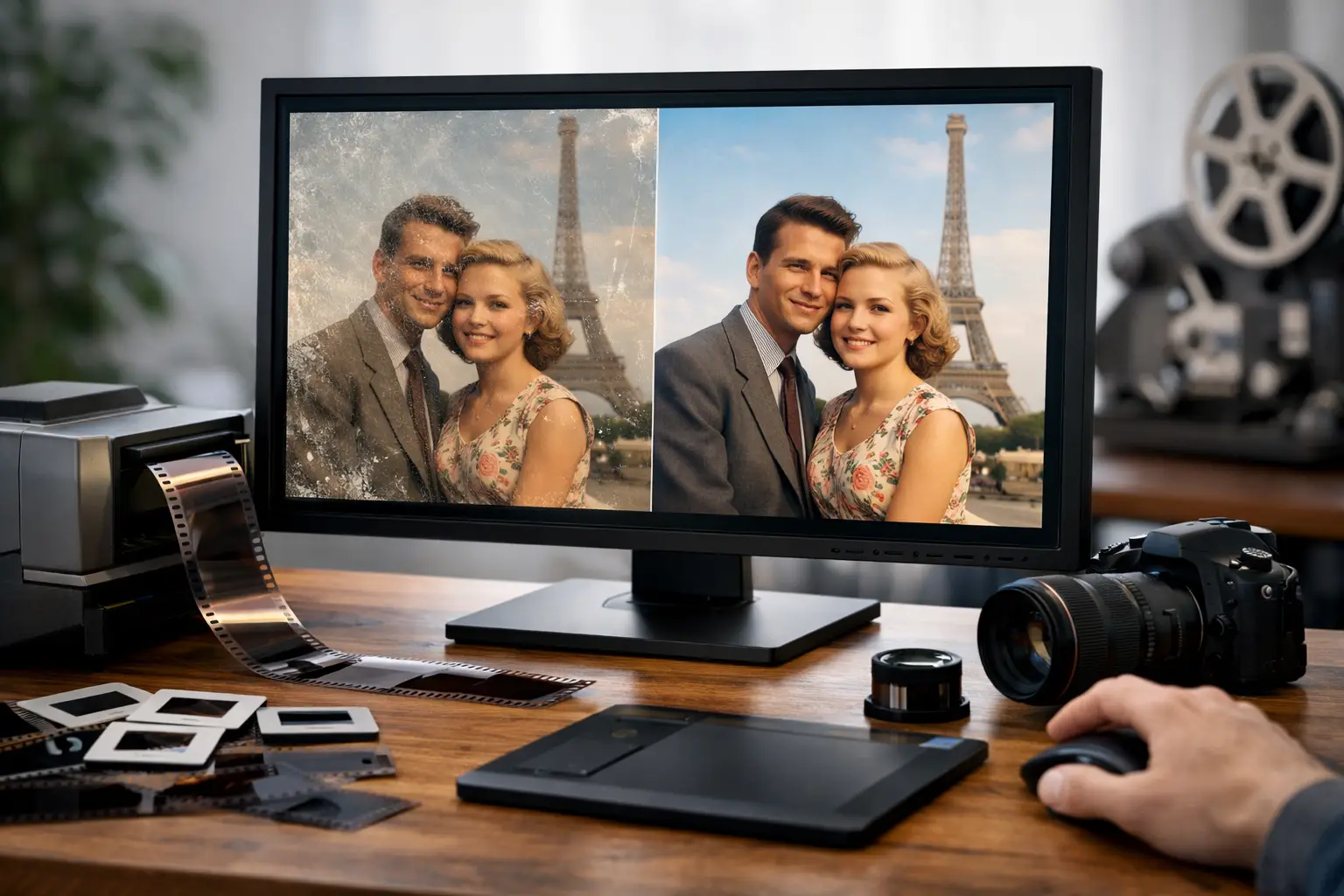
Best Software for Film Scans for Real Restoration
Find the best software for film scans by comparing cleanup, stabilization, color control, archival codecs, and batch workflows for 8mm through 16mm film.

Batch Film Restoration Software That Saves Time
Batch film restoration software helps archives and labs clean, stabilize, color-correct, and encode scanned reels with repeatable, controlled workflows.
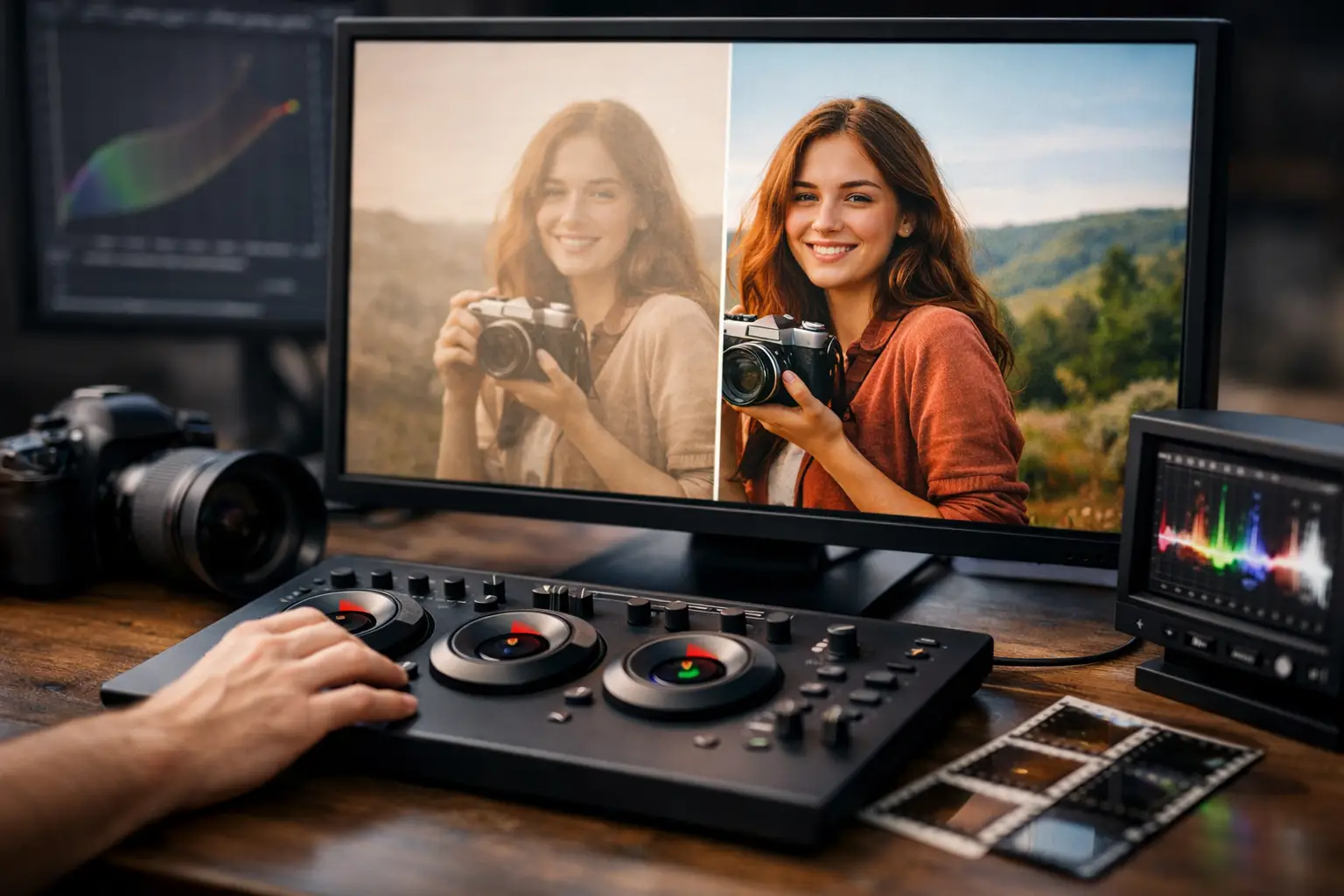
Color Correction for Faded Film, Done Right
Learn color correction for faded film with a restoration workflow that protects detail, controls cast, and delivers faithful, stable archival exports.
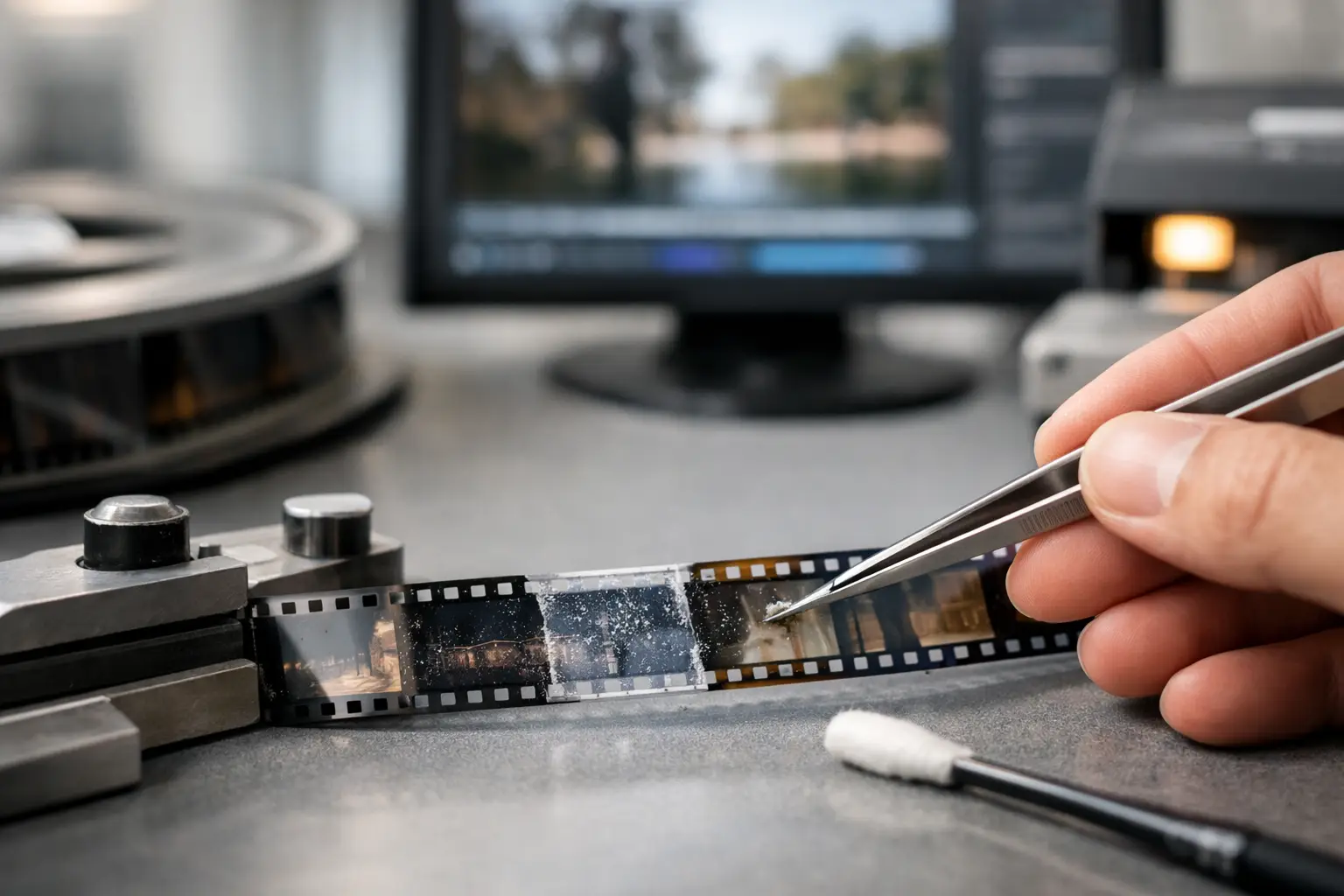
Film Splice Cleanup Software That Works
Film splice cleanup software removes splice flashes, jumps, and frame defects from scanned film, improving archive quality without scripting or guesswork.
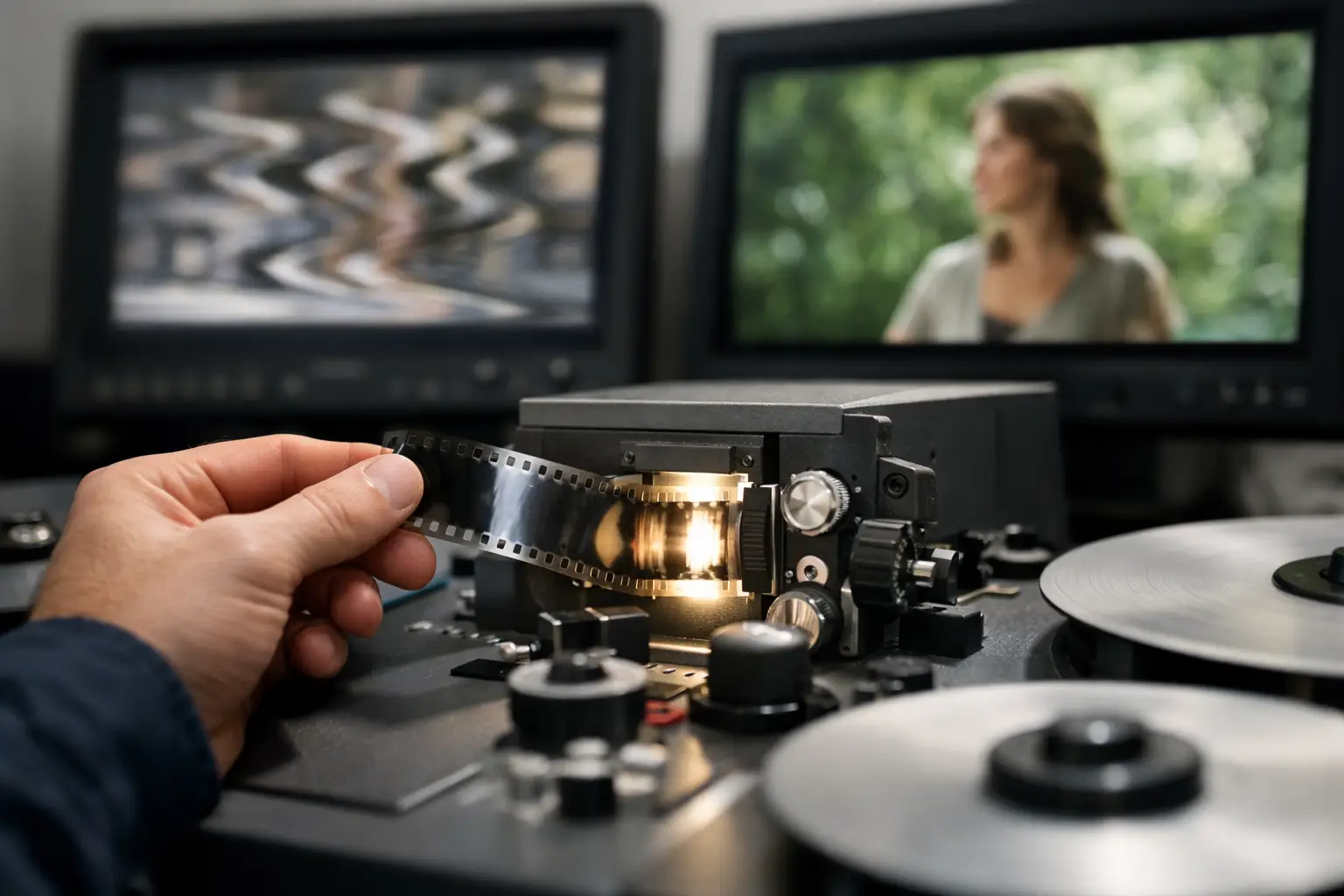
How to Fix Gate Weave in Telecine
Learn how to fix gate weave in telecine using the right stabilization order, tracking method, and settings for 8mm, Super 8, 9.5mm, and 16mm.
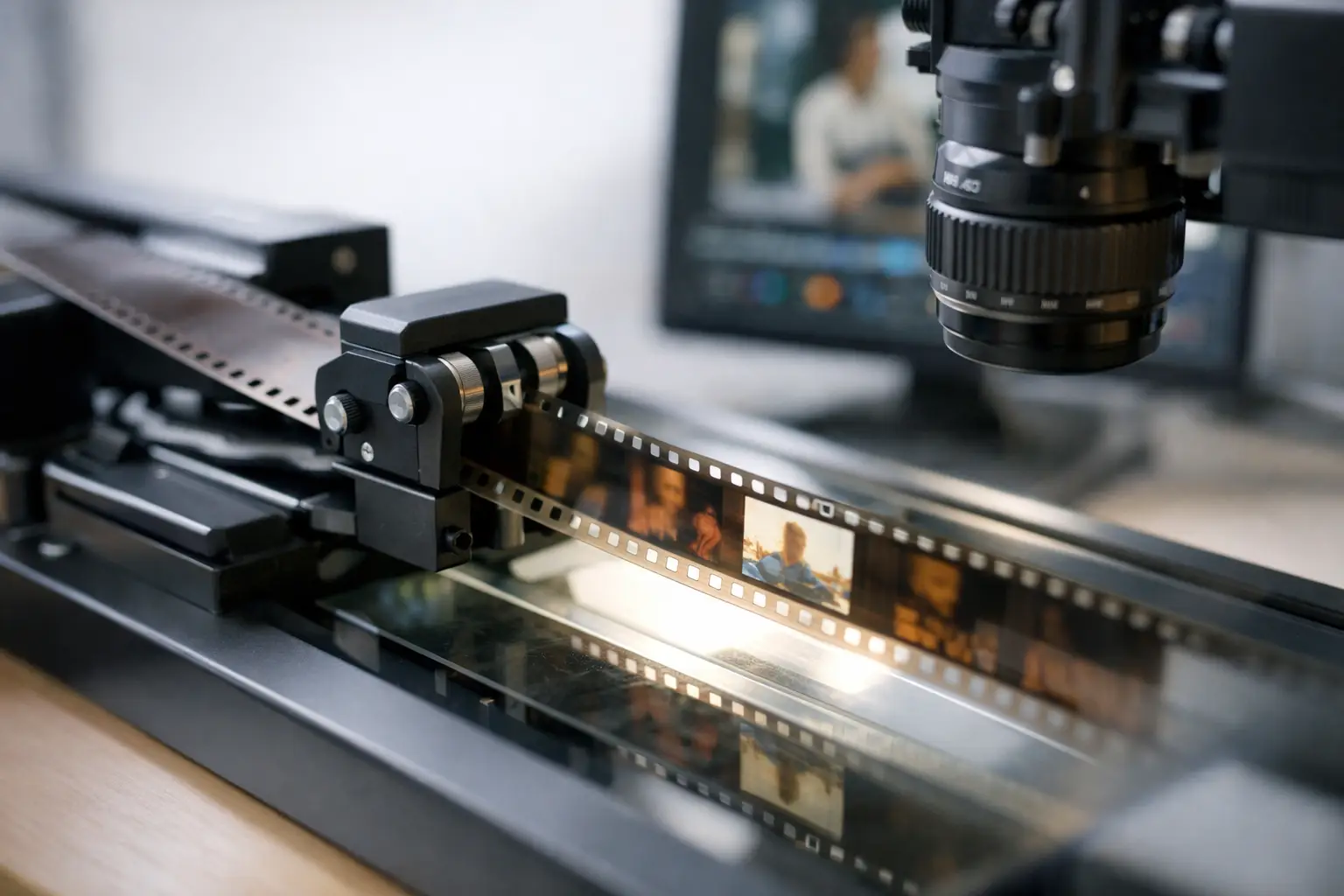
Perforation Stabilization Film Scan Explained
Perforation stabilization film scan improves shaky 8mm, Super 8, 9.5mm, and 16mm transfers by locking image motion to the film’s sprocket holes.
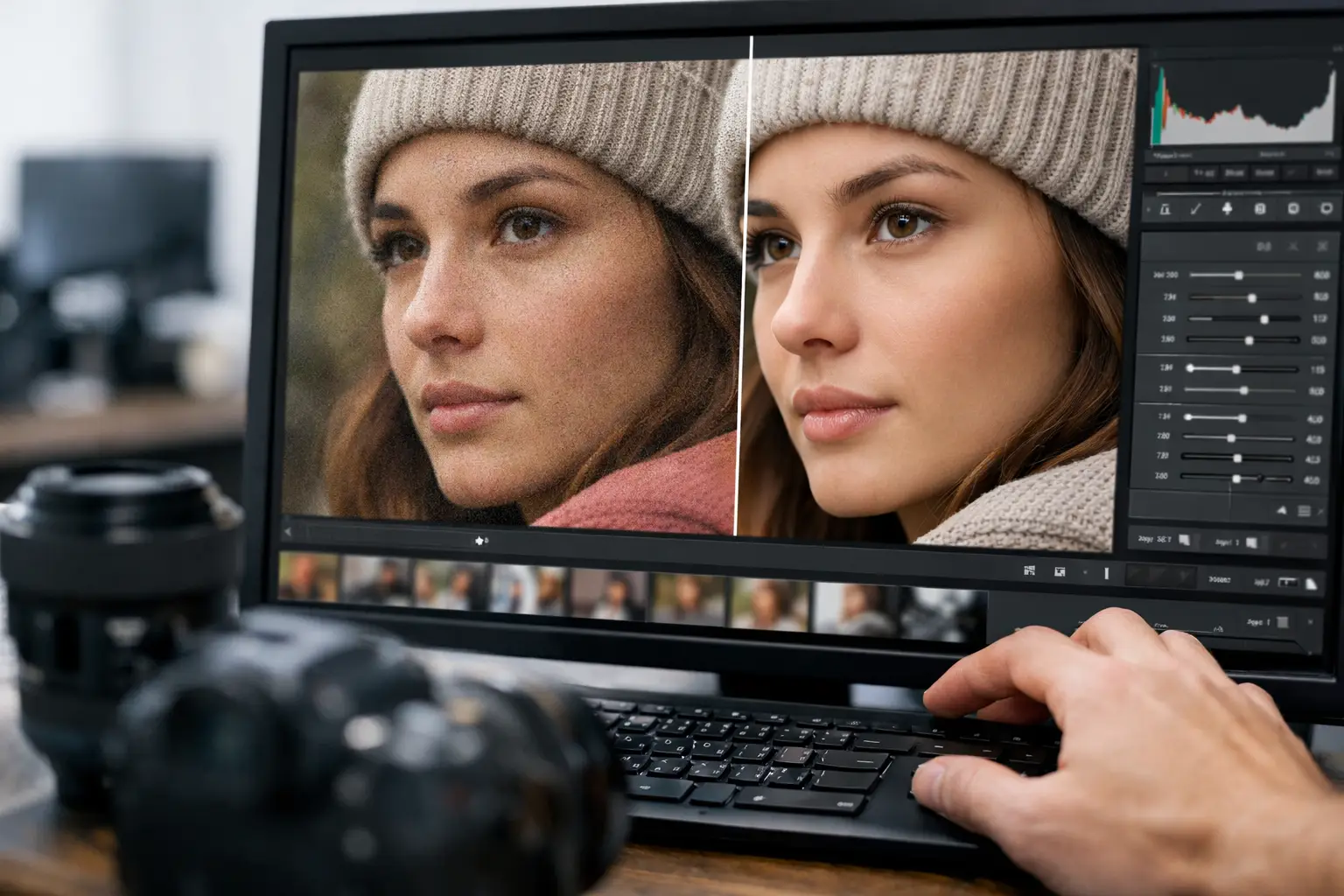
How to Reduce Film Grain Without Smearing Detail
Learn how to reduce film grain without waxy artifacts. Improve scanned 8mm, Super 8, 9.5mm, and 16mm footage while preserving real detail.
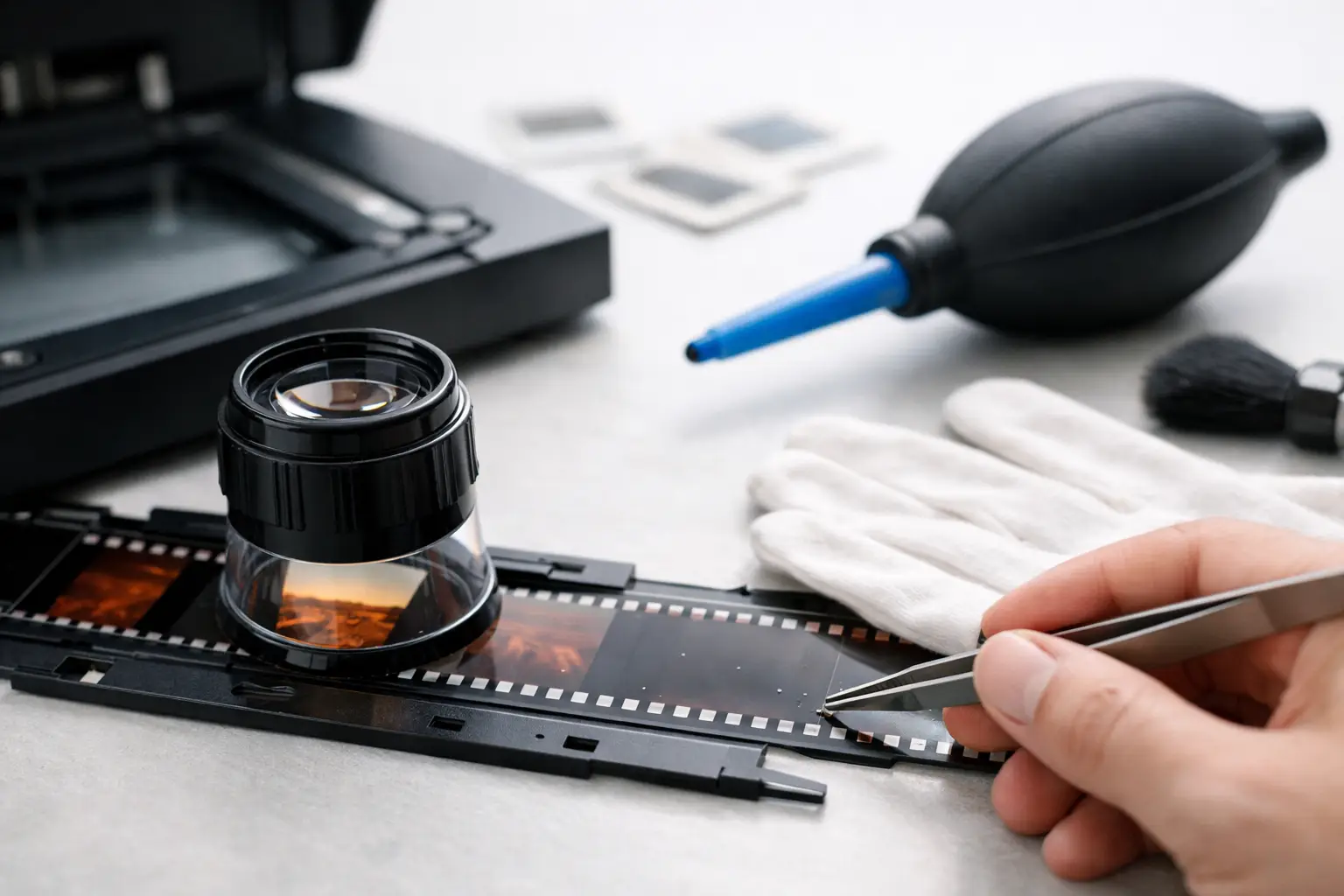
How to Remove Dust From Film Scan Cleanly
Learn how to remove dust from film scan files without smearing detail. Practical settings, workflow tips, and restoration trade-offs explained.
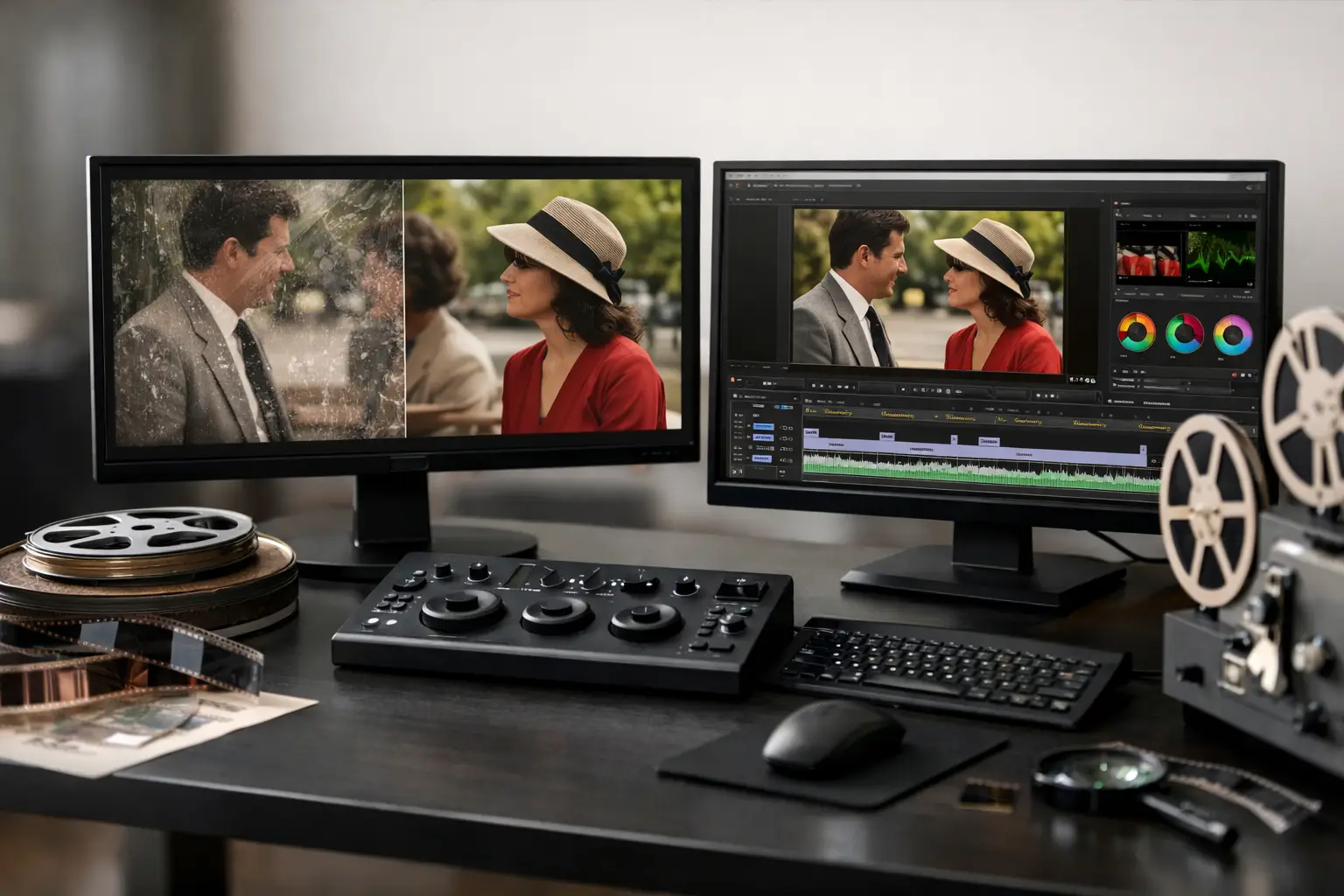
AviSynth Film Restoration Workflow That Works
Build an avisynth film restoration workflow for 8mm, Super 8, 9.5mm, and 16mm scans with better stability, cleanup, color, and export control.
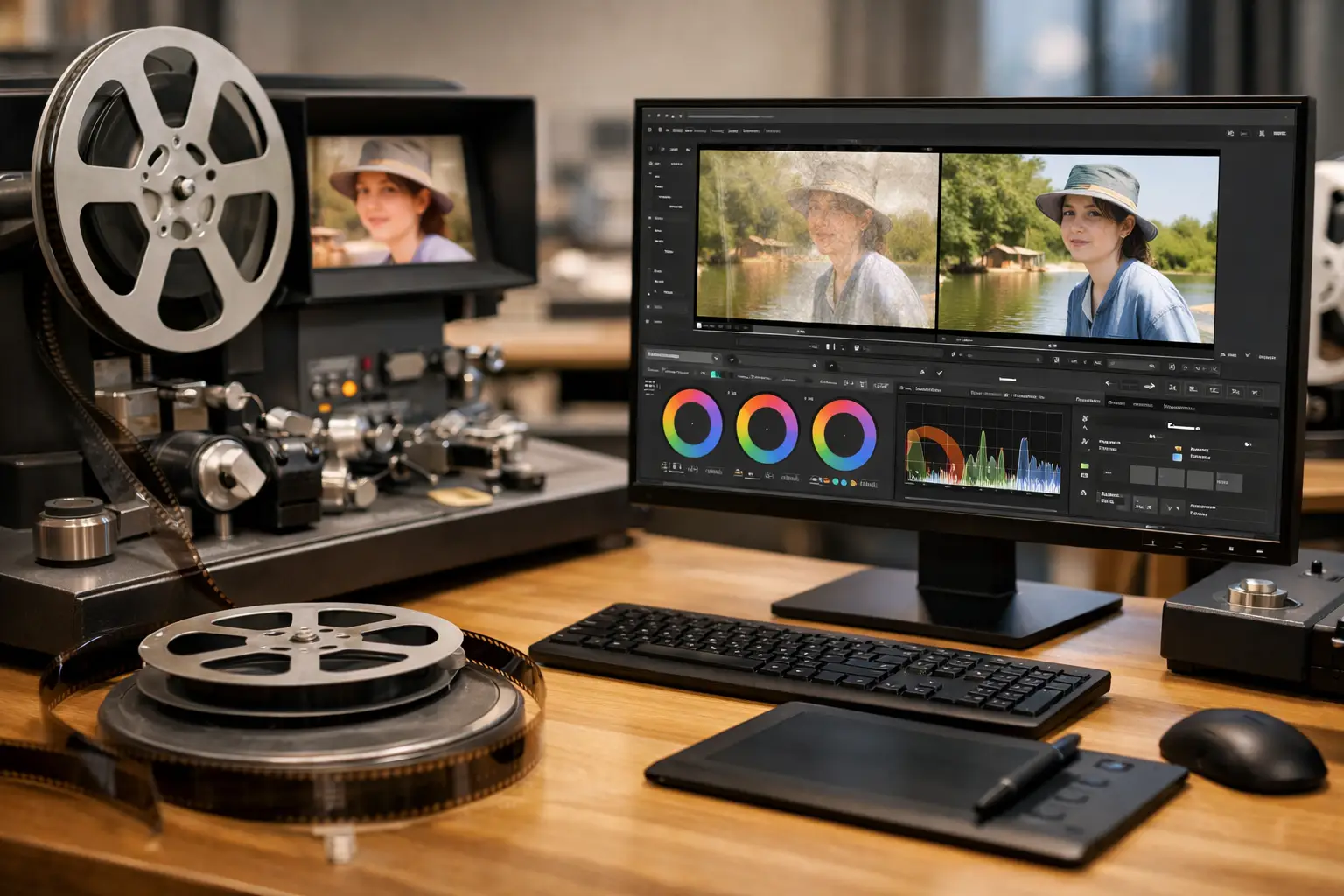
16mm Film Restoration Software That Fits Real Work
16mm film restoration software should fix grain, dust, jitter, and color fast. Here’s what matters in a practical workflow for serious scans.
How to Restore Super 8 Film Properly
Learn how to restore super 8 film with a practical workflow for dust, scratches, jitter, color fade, grain control, and clean archival exports.